

This case illustrates the surgical technique and follow-up of a patient with a decade old triple bucket handle medial meniscus tear with anterior cruciate ligament tear.
Dr. Rajkumar S Amaravathi, Professor and Head, Division of Arthroscopy, Sports Injury, Joint Preservation and Regenerative Medicine, St. John’s Medical College and Hospital, Bengaluru, Karnataka, India. E-mail: rajkumar_as@yahoo.co.in
Introduction: Bucket handle meniscus tears (BHMTs) represent a specific pattern of vertical tears wherein the displaced segment of the meniscus lodges into the intercondylar notch. These injuries often present with clinical symptoms including knee pain, intermittent locking, joint instability, swelling, and reduced range of motion. Bucket-handle meniscal tears are frequently observed in conjunction with anterior cruciate ligament (ACL) injuries, with reported incidences varying between 11% and 48%. Meniscus repair aims to alleviate symptoms and restore normal knee joint biomechanics, all while maintaining the integrity of the native meniscus. To the best of our knowledge, this case report is the first to document the fixation of a triple bucket handle tear of the medial meniscus, with clinical results and a 1-year post-operative assessment.
Case Report: A woman in her early forties presented with a 10-year history of recurrent knee pain, swelling, and mechanical symptoms, worsened by a recent fall. Clinical evaluation revealed signs of ACL deficiency and medial meniscal injury. Imaging confirmed a complex medial meniscus tear and a near-complete ACL tear, with normal knee alignment on radiographs and scanogram. Diagnostic arthroscopy revealed triple BHMT with complete ACL tear. She underwent ACL reconstruction (ACLR) with peroneus longus graft, triple bucket handle meniscus repair with all-inside, inside out and outside in technique, and lateral extra-articular tenodesis.
Conclusion: Chronic triple bucket-handle meniscal tears present a complex surgical challenge. However, this case highlights that accurate anatomical reduction combined with stable fixation can lead to favorable post-operative outcomes, including improved knee function and enhanced quality of life. In addition, performing meniscal repair alongside ACLR increases the likelihood of successful healing and optimal functional recovery.
Keywords: Knee injuries, meniscal tears, ligament rupture.

Meniscus tears are associated with knee ligament injuries, including anterior cruciate ligament (ACL) injuries [1]. Various patterns of meniscal injuries are associated with both acute and chronic ACL tears, ranging from uncomplicated lesions to complex bucket-handle tears. Bucket-handle tears occur when a vertical longitudinal tear in the meniscus becomes displaced into the intercondylar notch, often resulting in clinical symptoms such as joint pain, instability, and mechanical locking [2]. Research suggests that acute ACL tears are more frequently linked to lateral meniscus injuries, whereas chronic ACL injuries are more often associated with damage to the medial meniscus [3]. The goal of repairing the meniscus is to reduce symptoms and reestablish the knee’s natural biomechanics, while conserving the original meniscal tissue [4]. Given that bucket handle medial meniscus tears commonly arise in young athletes, it is essential to pursue meniscus repair for the sake of joint preservation. The biomechanical stability provided by ACL reconstruction (ACLR), combined with the release of bone marrow elements during femoral and tibial tunnel drilling, has been shown to enhance the healing potential of meniscal repairs [5].
We present a case of a young lady in her early forties with a 10-year history of recurrent knee pain, swelling, and mechanical symptoms including locking and instability, following an initial knee injury. She reported gradual worsening of symptoms, particularly after physical activity, resulting in significant limitations in her daily activities. Notably, she also reported a history of another fall approximately 2 months before presentation, following which she experienced further worsening of her pre-existing symptoms.
Physical examination revealed normal knee alignment and no evidence of generalized ligament laxity as assessed by the Beighton score. She had full knee extension. Medial joint line tenderness was present. Clinical testing demonstrated positive Lachman and Anterior drawer tests suggestive of an ACL injury. McMurray’s and Apley’s tests were positive for the medial meniscus. Under anesthesia, the pivot shift test was graded as 3.
Pre-operative standard knee radiographs were unremarkable, and a scanogram demonstrated normal lower limb alignment (Figs. 1 and 2).
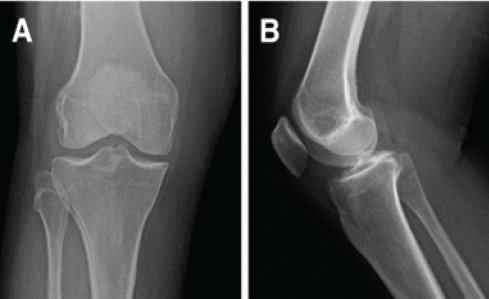
Figure 1: Figure showing normal anteroposterior and lateral view of knee joint.
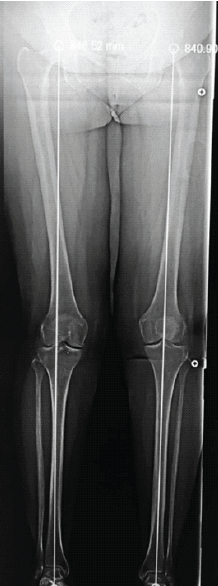
Figure 2: Scannogram showing normal alignment of the lower limb.
Magnetic resonance imaging (MRI) revealed a complex tear involving the body and posterior horn of the medial meniscus with a near-complete tear of the ACL (Fig. 3).
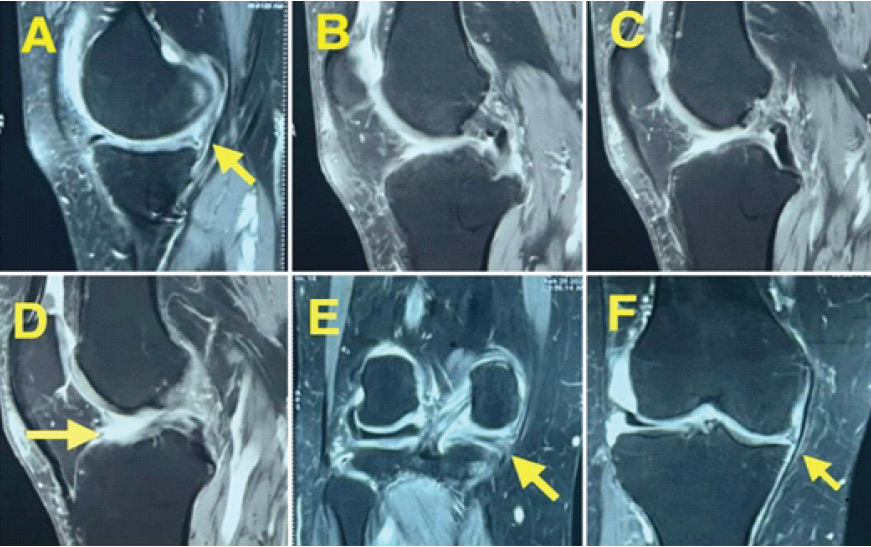
Figure 3: Magnetic resonance imaging showing complex tear of medial meniscus with an anterior cruciate ligament tear.
Operative procedure
Following a routine pre-operative evaluation, the patient was scheduled for a knee arthroscopy. Diagnostic arthroscopy revealed the presence of a complete ACL tear with triple bucket handle tear of the medial meniscus (Fig. 4a and b).
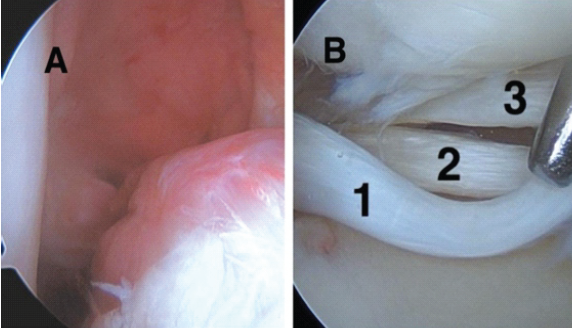
Figure 4: Diagnostic arthroscopy showing empty lateral wall sign (a) and triple bucket handle tear of medial meniscus (b).
The lateral meniscus was normal and there was no RAMP lesion. The medial meniscus tear exhibited features of chronicity with rounded edges. Despite the chronicity of the injury, the underlying cartilage was healthy. The meniscal tissue was of good quality and suitable for repair. The flaps 1 and 2 were in the intercondylar notch and flap 3 in the periphery was detached from the capsule (Fig. 4b).
The triple bucket handle tear of medial meniscus was reduced and repaired using a combination of an all-inside, inside out, and outside in technique. The anterior horn of the meniscus was secured using outside-in technique with PDS sutures (Fig. 5a and b).
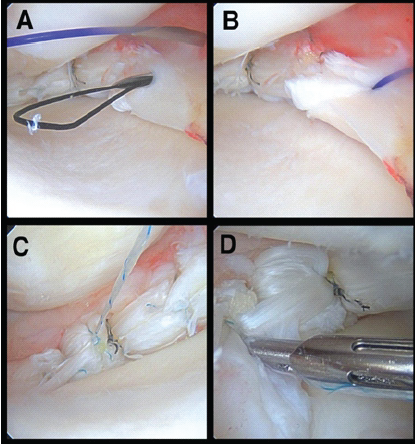
Figure 5: (a and b) Outside in repair of anterior horn of medial meniscus. (c and d) All inside repair of posterior horn of medial meniscus.
The posterior horn of medial meniscus repair was executed utilizing the FAST-FIX 360 (Smith and Nephew, London, UK), an all-inside meniscal repair apparatus (Fig. 5c and d). The body of the meniscus was secured using No. 2-0 Fiber Wire (13-inch inside-out meniscal repair needles – Smith and Nephew, London, UK).
The strength of the final repair of the triple bucket handle medial meniscus was then checked using a probe and was found to be stable (Fig. 6a and b). Subsequently, the ACL was reconstructed using a Peroneus graft (Fig. 6c and d).
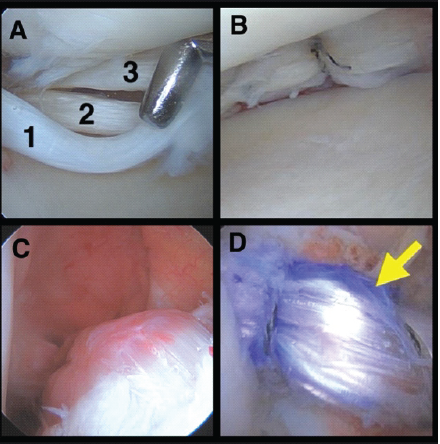
Figure 6: (a and b) Before and after repair of triple bucket handle medial meniscus. (c and d) Before and after reconstruction of anterior cruciate ligament (ACL) (Yellow arrow showing reconstructed ACL with peroneus longus.).
Graft fixation was achieved on the femoral side using a cortical button and on the proximal tibia using an interference screw. The reconstructed ACL was then reinforced by a lateral extra-articular tenodesis (LET) to provide rotational stability. Post-operative radiograph shows normal positioning of the ACL and LET tunnels (Fig. 7a and b).
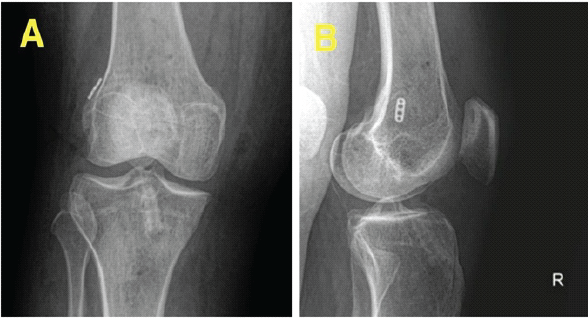
Figure 7: (a and b) Post-operative radiographs.
Following the surgery, the patient was instructed to use a knee brace limiting motion to 0–60° for a period of 3 weeks. She was started on immediate touch down weight-bearing and based on the clinical follow-up, progression of knee exercises and weight-bearing was allowed over the next 4 months.
Authors recommended factors to be considered while repairing the meniscus
- Age of the patient
- Reducibility
- Fatty infiltration of the meniscus
- Cartilage status of medial and lateral compartment
- Alignment of the limb
- Associated injury to ACL, posterior cruciate ligament (PCL), and collateral ligaments
- Zone of the tear
- Type of meniscus tear.
Follow-up
She was followed up with International Knee Documentation Committee (IKDC) score and Lysholm score at 6 months and 1-year post-operative follow-up. Her pre-operative Lysholm score was 41. It improved to 80 at 6 months and further to 95 at 1 year post-operative follow-up. Her pre-operative IKDC score was 20 which improved to 60 at 6 months and further to 78 at 1-year post-operative follow-up (Fig. 8).
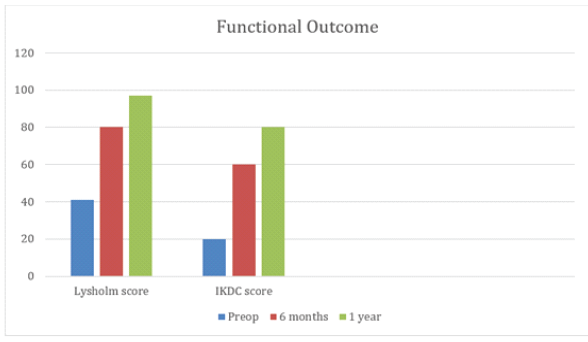
Figure 8: Post-operative follow-up (Lysholm and International Knee Documentation Committee score – pre-operative, 6 months and 1 year post-operative follow-up).
The prevalence of bucket-handle meniscus tears constitutes roughly 30% of total cases. Particular observations on MRI images, including the double- and triple-PCL signs, together with the triple- and quadruple-cruciate signs, may be elucidated [6].
Previous studies have reported that a bucket-handle tear of the medial meniscus is associated with a 42.3% likelihood of an accompanying posterior longitudinal tear. As a result, excising only the displaced handle may leave a second, unrecognized bucket-handle component. Such residual pathology can contribute to persistent functional limitations following meniscectomy. An untreated posterior longitudinal tear may subsequently present with swelling, crepitus, and a sense of instability [7].
The MRI is essential for pre-operative assessment and diagnosis of bucket handle medial meniscus tears. Radiological indicators of Bucket handle meniscus tears (BHMTs) encompass: “the absence of the bow tie sign,” the “double posterior cruciate ligament (PCL)” sign, the “fragment-in-notch” sign, the “coronal truncation sign,” the “anterior flipped fragment” sign, the “double delta sign,” and the “quadruple cruciate” sign. MRI demonstrates high diagnostic accuracy for BHMTs when two or more of the five primary radiological signs are identified [8]. Chronic BHMT leads to challenges in meniscus reduction due to tissue scarring, which must be resolved before the reduction can occur. Achieving anatomical realignment of the torn meniscus should be followed by stable and reliable fixation using meniscal sutures, utilizing techniques such as inside-out, outside-in and all-inside repair methods [8].
In comparison to the conventional gold-standard inside-out meniscus repair technique, the all-inside approach offers several benefits, such as shorter operative duration, reduced need for surgical assistance, and a lower risk of neurovascular injury [9].
Multiple studies have demonstrated the effectiveness of all-inside meniscal repair, reporting high success rates alongside minimal complications [10]. One of the key prognostic indicators for successful repair of BHMT is rim width. Tears located in the red-red zone with a rim width of 3 mm or less tend to heal more effectively due to enhanced vascular supply [11]. Additional factors influencing repair outcomes include the tear’s location, duration, chronicity, the ability to anatomically reduce the fragments, and the patient’s age [9]. In this case, the patient was young, and the tear was situated in the well-vascularized peripheral region of the meniscus. Despite the injury’s chronic nature, a favorable outcome was attained with proper reduction and effective fixation. In our case, the rim width was approximately 3 mm.
Meniscal repair performed concurrently with ACLR has been associated with superior healing rates and clinical outcomes compared to repairs undertaken in ACL-intact, stable knees. Various hypotheses can be proposed to explain this fact. The sort of meniscal injury associated with ACLR may be more amenable to healing. Conversely, the healing may be enhanced due to biological substances released from the drill holes at the time of ACLR [12].
A recently published meta-analysis highlighted the significance of the meniscus in knee stability, indicating that ACLR combined with meniscal repair diminished anterior knee joint laxity in comparison to ACLR accompanied by meniscectomy [13].
The menisci serve to transmit load, enhance stability of the joint (both anterior-posterior and rotational), and also facilitate lubrication of the joint. Partial meniscectomy can compromise these functions, potentially accelerating degenerative changes within the knee joint. In our case, meniscal repair effectively preserved the cartilage integrity, with follow-up at 1 year showing no radiographic evidence of osteoarthritic progression. The identification of significant knee laxity during testing should heighten the suspicion of bucket handle meniscal tear alongside an ACL injury. Increased knee laxity observed during physical examination is correlated with substantial meniscus tears [14]. The key pearls and pitfalls associated with the repair of a triple bucket-handle meniscus tear are concisely summarized in the table below (Table 1).
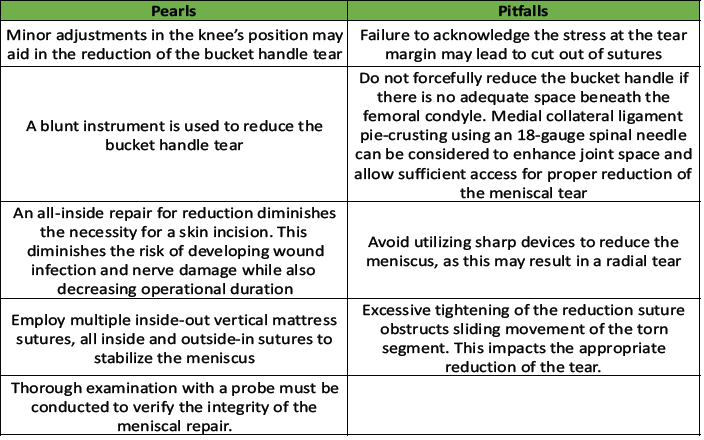
Table 1: Pearls and pitfalls
We present a case of a young lady with a decade old knee injury, who underwent ACLR, all-inside, inside-out, and outside-in repair of a triple bucket handle meniscal tear. The patient had an excellent post-operative follow-up, as evident by the IKDC and Lysholm scores. This case report highlights that successful anatomical reduction and stable fixation can lead to positive post-operative outcomes in the management of chronic triple bucket-handle meniscal tears, ultimately enhancing both knee function and the patient’s quality of life.
• Cartilage health and alignment of the limb dictate how we manage meniscus tear
• Repairing the meniscus should take priority over resecting the meniscus whenever possible.
• Meniscus repair performed along with ACL reconstruction has higher chance of healing and better functional outcomes.
References
- 1. Bellabarba C, Bush-Joseph CA, Bach BR Jr. Patterns of meniscal injury in the anterior cruciate-deficient knee: A review of the literature. Am J Orthop (Belle Mead NJ) 1997;26:18-23. [Google Scholar] [PubMed]
- 2. Özcafer R, Dırvar F, Mısır A, Dinçel YM, Büyükkuşçu MO, Aykut ÜS. Mid-term evaluation of clinical and functional outcomes after arthroscopic medial longitudinal and bucket-handle meniscus repair. Jt Dis Relat Surg 2021;32:363-70. [Google Scholar] [PubMed]
- 3. Gadeyne S, Besse JL, Galand-Desme S, Lerat JL, Moyen B. Meniscal lesions observed during anterior cruciate ligament reconstruction: Location and nature in a continuous series of 156 patients. Revue de Chirurgie Orthopédique et Réparatrice de l’Appareil Moteur. 2006;92:448–454. [Google Scholar] [PubMed]
- 4. Zabrzynski J, Szwedowski D, Zabrzyńska A, Łapaj Ł. Bicompartmental locked bucket-handle tears of menisci concealing the concomitant anterior cruciate ligament injury for 2 years – a case report. J Med Sci 2019;87:225-8. [Google Scholar] [PubMed]
- 5. Rodríguez-Roiz JM, Sastre-Solsona S, Popescu D, Montañana-Burillo J, Combalia-Aleu A. The relationship between ACL reconstruction and meniscal repair: Quality of life, sports return, and meniscal failure rate-2- to 12-year follow-up. J Orthop Surg Res 2020;15:361. [Google Scholar] [PubMed]
- 6. Santoso A, Poetera CY, Marindratama H, Anugrah JY, Anwar IB, Sibarani TS. Both medial and lateral bucket-handle meniscus tears associated with chronic ACL injury: A rare presentation of triple-PCL sign. Int J Surg Case Rep 2021;87:106413. [Google Scholar] [PubMed]
- 7. Andrews JR, Norwood LA Jr., Cross MJ. The double bucket handle tear of the medial meniscus. J Sports Med 1975;3:232-7. [Google Scholar] [PubMed]
- 8. Bong GS, Lee YH. Concurrent medial and lateral bucket handle meniscal tear repair in a chronic anterior cruciate ligament-deficient knee: A case report. Ann Jt 2022;7:29. [Google Scholar] [PubMed]
- 9. Yoon, Kyoung Ho, and Keun Ho Park. “Meniscal repair.” Knee surgery & related research vol. 26,2 (2014): 68-76. doi:10.5792/ksrr.2014.26.2.68 [Google Scholar] [PubMed] [CrossRef]
- 10. Haas AL, Schepsis AA, Hornstein J, Edgar CM. Meniscal repair using the FasT-Fix all-inside meniscal repair device. Arthroscopy 2005;21:167-75. [Google Scholar] [PubMed]
- 11. Arnoczky, S P, and R F Warren. “Microvasculature of the human meniscus.” The American journal of sports medicine vol. 10,2 (1982): 90-5. doi:10.1177/036354658201000205 [Google Scholar] [PubMed] [CrossRef]
- 12. Korpershoek, Jasmijn V et al. “Does Anterior Cruciate Ligament Reconstruction Protect the Meniscus and Its Repair? A Systematic Review.” Orthopaedic journal of sports medicine vol. 8,7 2325967120933895. 28 Jul. 2020, doi:10.1177/2325967120933895 [Google Scholar] [PubMed] [CrossRef]
- 13. Sarraj M, Coughlin RP, Solow M, Ekhtiari S, Simunovic N, Krych AJ, et al. Anterior cruciate ligament reconstruction with concomitant meniscal surgery: A systematic review and meta-analysis of outcomes. Knee Surg Sports Traumatol Arthrosc 2019;27:3441-52. [Google Scholar] [PubMed]
- 14. Song GY, Zhang H, Wang QQ, Zhang J, Li Y, Feng H. Risk factors associated with grade 3 pivot shift after acute anterior cruciate ligament injuries. Am J Sports Med 2016;44:362-9. [Google Scholar] [PubMed]






Related Articles in Journal of Orthopaedic Case Reports
 January 1, 2026 Evaluating Surgical Strategies and Functional Outcomes in Multi-Ligamentous Knee Injuries: A Prospective Study in Indian Patients
 January 10, 2024 Primary Hyperparathyroidism Mimicking Skeletal Metastasis – A Diagnostic Dilemma
 September 1, 2024 Management of Congenital Radioulnar Synostosis Fracture Following Road Traffic Accident: A Rare Case Report
 July 30, 2019 Anisocoria after Posterior Spine Surgery: A Rare but Disastrous Complication – A Case Report and Literature Review