

Primary total hip arthroplasty in failed fracture fixation around the hip-complicated,yet rewarding.
Dr. H Varrdhaman Dhariwal, Department of Orthopaedics, Stanley Medical College, 5 Nachiappa Street, Mylapore, Chennai-600004, Tamil Nadu, India. Email: varrdh@gmail.com
Introduction: Failed fracture fixation around the hip presents a major challenge in orthopedic surgery. Primary total hip arthroplasty (THA) is often required as a definitive salvage procedure following complications such as non-union, malunion, implant failure, or post-traumatic arthritis.
Objectives: This study aims to evaluate the clinical outcomes, complications, and surgical strategies of primary THA performed as a salvage procedure following failed internal fixation of fractures around the hip, with emphasis on the use of adjuncts such as Prolene mesh, augmentation plates, cerclage wires, and bone grafting.
Case Series: This case series was conducted at Government Stanley Medical College and Hospital over a period of 2 years. Ten patients with failed hip fracture fixation underwent THA through the lateral Hardinge approach. Pre-operative imaging included radiographs and computed tomography scans. Post-operative assessments were performed using the Harris Hip Score at regular intervals up to 2 years.
Results: All 10 patients experienced excellent to good outcomes in terms of pain relief and functional improvement. Augmentation implants were used in selective cases. Minor complications included two superficial infections and three cases of transient abductor weakness. No readmissions were reported.
Conclusion: Primary THA is an effective salvage strategy following failed hip fracture fixation, with favorable outcomes when thorough pre-operative planning and appropriate surgical techniques are employed. Augmentation devices play a key role in achieving optimal biomechanical restoration in complex cases.
Keywords: Total hip arthroplasty, failed fixation, post-traumatic arthritis, augmentation implants, salvage surgery.

Total hip replacement following failed previous hip surgeries presents one of the most challenging scenarios in orthopedics [1,2]. These cases may involve failed internal fixation, osteotomies, acetabular fractures, or previous joint-preserving procedures. Key challenges include altered anatomy, compromised bone stock, retained hardware, and scarred tissue planes, all of which complicate surgical exposure and component placement [3,4].
Effective reconstruction requires extensive pre-operative planning, advanced imaging, and consideration of infection risks and systemic comorbidities [4]. The surgical approach often needs to be extensile and adaptable. Implant selection must account for bone quality and defect patterns to ensure biomechanical stability [5].
A case series of 10 patients was conducted at Government Stanley Medical College between 2022 and 2025. All patients had previously failed hip surgeries and were managed with total hip arthroplasty (THA). Pre-operative evaluations included pelvic radiographs and computed tomography scans, where indicated. Harris Hip Score (Table 1) was used for outcome assessment [2,6].
Surgical technique
All procedures were performed through the lateral Hardinge approach. The patient was put in the lateral decubitus position. A 15 cm incision was made centered on the greater trochanter, serial dissection was done, and then the acetabulum and femoral preparation were done, and appropriate implants were used. Six patients received uncemented THA, two received cemented THA, and two received hybrid THA [2,7]. Augmentation devices that were commonly used were Prolene mesh (two cases), plate and screws (one case), cerclage wires, and Ethibond sutures were used in selected cases [8]. Prolene mesh was incorporated into the stem (Fig. 1,2) and then the abductor mechanism was reconstructed in a patient with severe lurch and who had undergone multiple procedures(Fig. 1) prior to this, and the patient was put in a derotation boot [8].
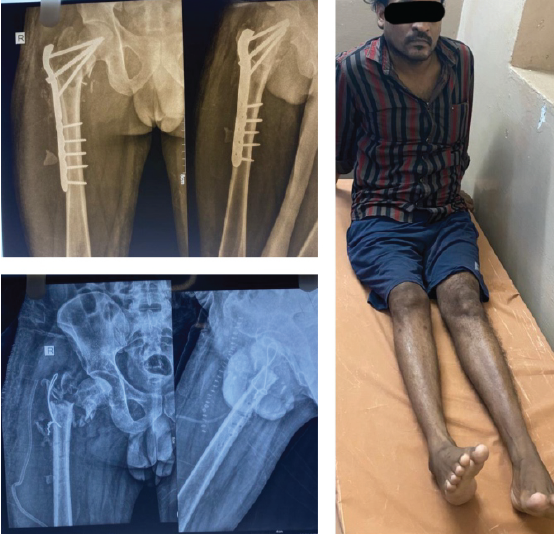
Figure 1: Case 1- Diagnosis: Non-union right intertrochanteric femur with severe bone loss and implant in situ. Procedure: Hybrid total hip arthroplasty with meshplasty.
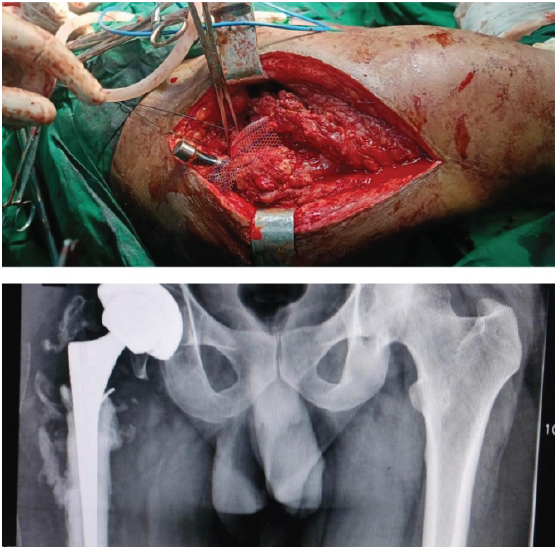
Figure 2: Case 2- Diagnosis: Failed valgus osteotomy post-fracture neck of femur with deformity. Procedure: Hybrid total hip arthroplasty with derotation osteotomy and augmentation plate.
Another patient had an intraoperative dislocation, and an immediate derotation osteotomy of the distal femur was performed due to poor bone stock with plates and screws (Fig. 3). Mobilization was as follows: Six patients were mobilized on post-operative day 1; three patients had to be placed in a derotation boot for 4 weeks, two patients were advised non-weight bearing ambulation until further advice. Post-operative follow-ups were conducted at 1, 3, 6, and 12 weeks, and annually for up to 2 years.
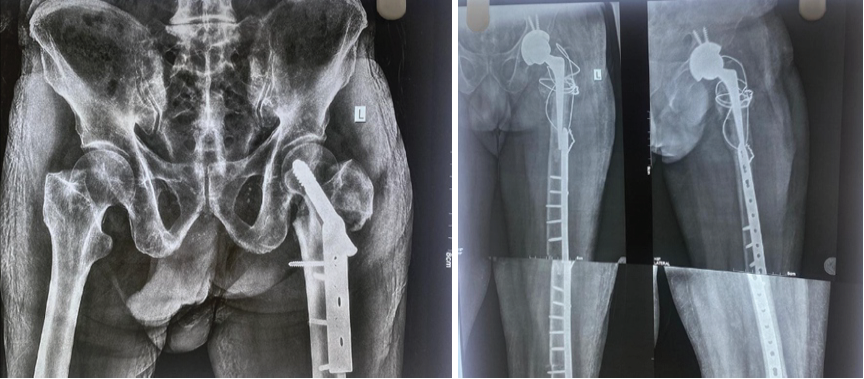
Figure 3: Case 3- diagnosis: Non-union neck of femur with cannulated compression screw in situ. Procedure: Hybrid total hip arthroplasty.
All patients showed clinical improvement in terms of pain relief and mobility.
- Infections: Two patients developed superficial infections treated with intravenous antibiotics [4]
- Abductor weakness: Present in three patients, improved with physiotherapy
- Functional outcomes: Harris Hip Scores improved significantly (from as low as 20 preoperatively to as high as 94) [6] (Table 1)
- Complications: No major perioperative complications or readmissions were reported [2].
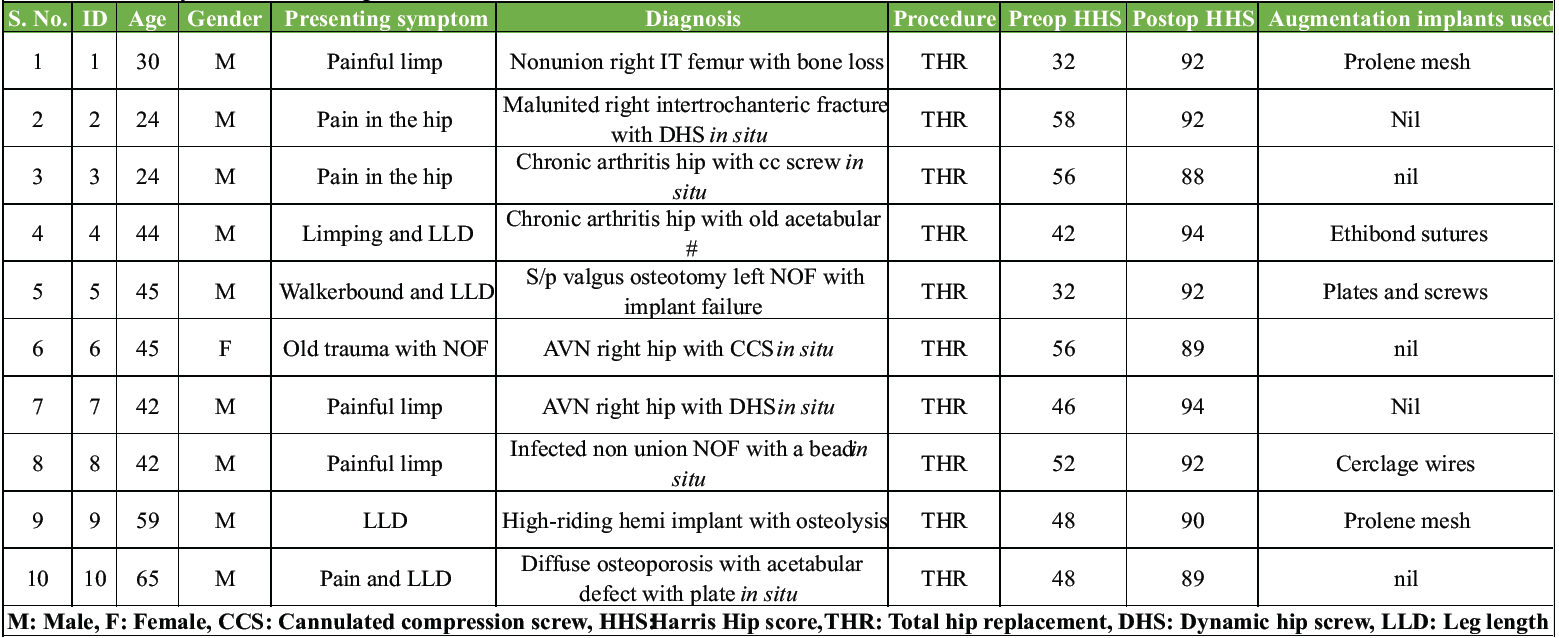
Table 1: Summary with Harris – Hip Score
Primary THA has been proven to be effective in managing failed fracture fixation of the hip [1,6,9]. Failure modes such as osteonecrosis, screw cutout, and hardware loosening necessitate revision strategies that often involve extensive reconstruction [2]. Modern cemented and uncemented implants offer excellent long-term survival [3]. Proper pre-operative planning and radiographs are mandatory for adequate planning and implant selection. Augmentation materials such as Prolene mesh and cerclage wiring facilitate stability in deficient bone stock [8]. In our study, the usage of augmentation devices in appropriate cases proved higher functional outcomes and faster recovery in daily living. The usage of Prolene mesh (Fig. 2) for reconstruction of abductor deficiency has yielded excellent outcomes when compared to previous studies [8]. The addition of plates and screws (Fig. 3) has also yielded lower rates of failure and dislocation [2,5]. Ethibond sutures for soft-tissue reconstruction have been used in a few cases for severe soft-tissue damage due to previous surgeries and have not been described commonly in old literature. Younger patients with adequate bone stock benefit from uncemented THA(Fig 4,Fig 5), whereas cemented options are better suited for elderly or osteoporotic patients [5]. Adequate counseling is essential regarding potential risks, including dislocation, infection, and prolonged rehabilitation [4,10].
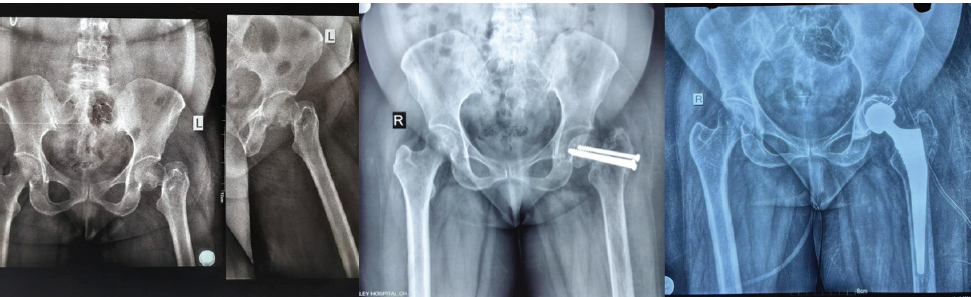
Figure 4: Case 4- Diagnosis: Chronic arthritis, right hip, post-dynamic hip screw. Procedure: Uncemented total hip arthroplasty.
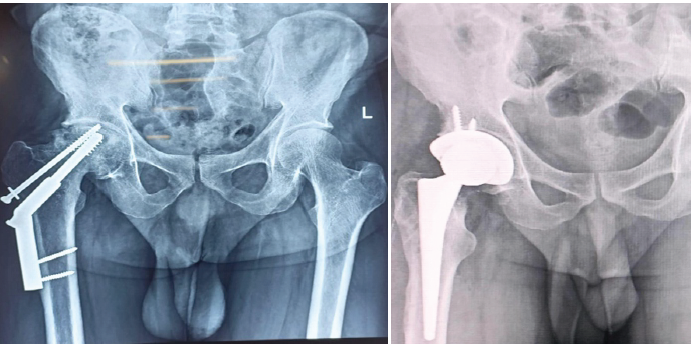
Figure 5: Case 5 – Diagnosis: chronic arthritis right hip s/p – Fracture dislocation right hip with fracture right anterior and posterior column of acetabulum. Procedure: Uncemented total hip arthroplasty with Ethibond sutures.
Primary THA is a reliable and effective salvage procedure for failed fracture fixation around the hip. Early recognition of fixation failure and appropriate surgical intervention improves patient outcomes. Proper use of augmentation devices in selective cases has proven to be highly effective in post-operative outcomes of the patient. Despite the technical challenges, THA provides excellent pain relief and functional restoration when performed with proper planning and augmentation as required.
Arthroplasty aims at achieving restoring joint mechanics.In failed hip it is a challenge to understand the anatomy and biomechanics of the joint and there by precisely restoring the alignment and congruency of the hip joint with the help of augmentation implants,thus giving a painless,mobile and stable hip for carrying out daily activities
References
- 1. Haidukewych GJ, Berry DJ. Salvage of failed internal fixation of intertrochanteric hip fractures. Clin Orthop Relat Res 2009;467:3179-84. [Google Scholar] [PubMed]
- 2. Park YS, Moon YW, Lim SJ, Kim YT, Han HS. Primary total hip arthroplasty for the treatment of failed internal fixation of intertrochanteric fractures. J Arthroplasty 2006;21:282-7. [Google Scholar] [PubMed]
- 3. Bozic KJ, Rubash HE. The role of modularity in primary total hip arthroplasty. J Am Acad Orthop Surg 2004;12:351-8. [Google Scholar] [PubMed]
- 4. Parvizi J, Gehrke T. Definition of periprosthetic joint infection. J Arthroplasty 2014;29:1331. [Google Scholar] [PubMed]
- 5. Learmonth ID, Young C, Rorabeck C. The operation of the century: Total hip replacement. Lancet 2007;370:1508-19. [Google Scholar] [PubMed]
- 6. Sen RK, Tripathy SK, Kumar R, Aggarwal S. Functional and radiological outcome of total hip arthroplasty following failed internal fixation of hip fractures. Injury 2012;43:1330-5. [Google Scholar] [PubMed]
- 7. Weiss RJ, Kärrholm J, Hailer NP, Beckman MO. Salvage of failed hip fracture fixation in older adults: A population-based study. J Bone Joint Surg Am 2012;94:e144. [Google Scholar] [PubMed]
- 8. Skutek M, Brand J, Schmolke S, van Aaken J, Grunow J, Weigand H. Use of polypropylene mesh for reconstruction of hip abductors during revision THA: A case report. Hip Int 2012;22:567-9. [Google Scholar] [PubMed]
- 9. Pape HC, Giannoudis PV, Krettek C. The timing of fracture treatment in polytrauma patients: Relevance of damage control orthopedic surgery. Am J Surg 2002;183:622-9. [Google Scholar] [PubMed]
- 10. Huo MH, Gilbert NF, Healy WL. Management of failed internal fixation for hip fractures in the elderly: Salvage total hip arthroplasty. Am J Orthop (Belle Mead NJ) 2011;40:E39-44. [Google Scholar] [PubMed]




Related Articles in Journal of Orthopaedic Case Reports
 February 1, 2026 Irreducible Periprosthetic Hip Dislocation Due to Muscular Entrapment with Concomitant Sciatic Nerve Involvement
 January 1, 2026 A Rare Case of Metabolic Disorder of Bilateral Fracture Neck Femur Treated with Bilateral Total Hip Arthroplasty
 January 1, 2026 Candida albicans Periprosthetic Hip Infection Complicated by Recurrent Dislocations Following Revision Total Hip Arthroplasty: A Case Report
 January 1, 2026 Effect of Routes of Administration of Tranexamic Acid in Peri-Operative Blood Loss in Total Hip Arthroplasty: A Prospective Comparative Study