


Introduction
Pediatric septic arthritis is a time-sensitive orthopedic emergency characterized by bacterial invasion of the synovial space, leading to rapid cartilage destruction and irreversible joint damage if not treated promptly. Delayed diagnosis can result in long-term complications such as growth disturbance, joint stiffness, avascular necrosis, and permanent functional disability, making early recognition and intervention critical in orthopedic practice [1].
The incidence of septic arthritis in children varies globally, with higher rates reported in younger age groups due to hematogenous spread and immature immune defenses. The hip and knee joints are most commonly involved, and clinical presentation often includes fever, refusal to bear weight, pain, and restricted range of motion. However, early symptoms may be nonspecific, contributing to diagnostic delay and worse orthopedic outcomes [2].
Staphylococcus aureus remains the predominant causative organism in pediatric septic arthritis, although regional variation in microbiological patterns, including increasing methicillin-resistant strains, has been reported. Emerging pathogens such as Kingella kingae are increasingly recognized in younger children, highlighting the evolving microbiological spectrum of this condition [3].
Diagnosis is based on a combination of clinical evaluation, laboratory markers such as elevated C-reactive protein (CRP) and erythrocyte sedimentation rate (ESR), imaging modalities, and definitive microbiological confirmation through joint aspiration. Despite advances in diagnostic techniques, culture-negative cases remain common, complicating targeted antimicrobial therapy [4].
Management requires a multidisciplinary approach involving prompt empirical antibiotic therapy and urgent surgical drainage to prevent intra-articular damage. Arthrotomy or arthroscopic lavage remains the cornerstone of treatment in most cases, with increasing adoption of minimally invasive techniques where feasible [5].
Despite appropriate management, outcomes vary depending on host factors, timing of presentation, joint involved, and microbial virulence. Identification of predictors of poor orthopedic outcome is essential to improve risk stratification and guide early aggressive management strategies in children with septic arthritis [6].
Materials and Methods
Study design and setting
This prospective hospital-based observational cohort study was conducted in the Department of Orthopedics in collaboration with the Departments of Pediatrics, Microbiology, and Radiodiagnosis at a tertiary care teaching hospital. The study was approved by the Institutional Ethics Committee before commencement (No. IEC/2025/007, dated January 11, 2025), and written informed consent was obtained from the parents or legal guardians of all participants. Assent was obtained from children whenever age appropriate.
Sample size
The sample size was estimated using the single population proportion formula
where n is the required sample size, Z = 1.96 at a 95% confidence level, p is the expected proportion of favorable functional outcome based on previous literature, and d is the desired absolute precision. Based on an expected favorable outcome of 60%, with an absolute precision of 10%, the minimum calculated sample size was approximately 78. During the study period, 80 consecutive eligible patients were recruited and included in the final analysis.
Study population
Children aged 1 month to 16 years presenting with clinical suspicion of acute septic arthritis involving native joints were screened for eligibility.
Inclusion criteria
-
Age below 16 years
-
Acute onset of joint pain with limitation of movement
-
Clinical features suggestive of septic arthritis, including fever, joint swelling, warmth, tenderness, or inability to bear weight
-
Radiological and laboratory findings supporting the diagnosis
-
Confirmation by aspiration of purulent synovial fluid and/or positive microbiological culture, or intraoperative findings consistent with septic arthritis.
Exclusion criteria
-
Chronic osteoarticular infections or symptoms lasting more than 6 weeks
-
Tuberculous, fungal, or viral arthritis
-
Juvenile idiopathic arthritis, connective tissue disorders, or crystal arthropathies
-
Previous surgery involving the affected joint
-
Patients receiving prolonged antibiotic therapy (>72 h) before presentation
-
Refusal to participate in the study.
Clinical evaluation
Demographic information, including age, sex, nutritional status, duration of symptoms, antecedent trauma, and previous antibiotic exposure, was recorded. Clinical examination included documentation of fever, joint involved, swelling, erythema, tenderness, range of motion, and ability to bear weight. The Kocher clinical predictors [7] were documented for patients with suspected hip involvement.
Laboratory investigations
Baseline laboratory investigations included complete blood count with differential leukocyte count, ESR, CRP, and blood culture prior to initiation of antibiotic therapy whenever feasible. Additional biochemical investigations were performed according to clinical indications.
Radiological evaluation
Plain radiographs of the affected joint were obtained in standard orthogonal views to exclude fractures and identify joint space widening or associated osteomyelitis. Ultrasonography was performed to detect joint effusion, particularly in deep joints such as the hip and shoulder. Magnetic resonance imaging was reserved for patients with equivocal clinical findings, suspected adjacent osteomyelitis, delayed presentation, or inadequate response to treatment.
Joint aspiration and microbiological evaluation
Diagnostic joint aspiration was performed under strict aseptic precautions before administration of antibiotics whenever clinically possible. Synovial fluid was evaluated for gross appearance, total leukocyte count, differential count, Gram staining, aerobic bacterial culture, and antimicrobial susceptibility testing according to standard microbiological protocols. Blood cultures were processed simultaneously in patients presenting with systemic manifestations. Isolated organisms were identified using conventional microbiological techniques, and antimicrobial susceptibility testing was interpreted according to current Clinical and Laboratory Standards Institute guidelines.
Surgical management
All patients underwent prompt surgical drainage based on the treating orthopedic surgeon’s assessment. Arthrotomy was performed for deep joints, including the hip and shoulder, while arthrotomy or arthroscopic drainage was undertaken for the knee, depending on availability and surgeon preference. Superficial joints underwent open drainage when indicated. Thorough irrigation using normal saline was performed, and intraoperative specimens were sent for microbiological analysis. Closed suction drains were placed whenever considered necessary and removed after satisfactory reduction in drainage.
Antibiotic therapy
Empirical intravenous antibiotics were initiated immediately after specimen collection, targeting the most common causative organisms according to institutional antibiotic policy. Antibiotic regimens were subsequently modified based on culture and antimicrobial susceptibility reports. Intravenous antibiotics were continued until clinical improvement with declining inflammatory markers, followed by oral antibiotics to complete a total treatment duration of approximately 4–6 weeks, depending on disease severity and the treating physician discretion.
Follow-up and outcome assessment
Patients were evaluated at 2 weeks, 6 weeks, 3 months, and 6 months after discharge. Clinical assessment included pain, joint range of motion, gait, recurrence of infection, and return to age-appropriate activities. Laboratory markers (ESR and CRP) were repeated when clinically indicated. Functional outcome was assessed at the 6-month follow-up using the Modified Flynn Criteria [8], categorizing outcomes as excellent, good, fair, or poor based on pain, range of motion, limb function, and presence of complications. Orthopedic complications, including residual joint stiffness, limb length discrepancy, redislocation, avascular necrosis, pathological fracture, growth disturbance, recurrent infection, and requirement for repeat surgery, were documented.
Outcome measures
The primary outcomes were clinical recovery, microbiological profile of causative organisms, and functional orthopedic outcome at 6 months. Secondary outcomes included culture positivity rate, antibiotic susceptibility pattern, duration of hospital stay, need for repeat surgical intervention, and incidence of complications.
Statistical analysis
Data were entered into Microsoft Excel and analyzed using the Statistical Package for the Social Sciences version 27.0. Continuous variables were expressed as mean ± standard deviation or median (Interquartile range [IQR]) based on distribution, while categorical variables were summarized as frequencies and percentages. For group comparisons, the independent Student’s t-test was used for normally distributed continuous variables (age, total leukocyte count, ESR, hospital stay, antibiotic duration), and the Mann–Whitney U test for non-normal variables (duration of symptoms, CRP, synovial fluid leukocyte count). The Chi-square test was applied for categorical variables (sex, joint involvement, clinical features, culture positivity, organism distribution, and surgical procedure), while Fisher’s exact test was used for low-frequency variables (Methicillin-sensitive Staphylococcus aureus [MRSA] infection, repeat drainage, and complications). Variables with P < 0.10 on univariate analysis (delayed presentation, hip involvement, CRP >100 mg/L, MRSA infection, repeat drainage) were included in a binary logistic regression model to identify independent predictors of poor outcome. Adjusted odds ratios (AOR) with 95% confidence intervals (CI) were reported, and P < 0.05 was considered statistically significant.
Results
A total of 80 children with clinically and microbiologically confirmed septic arthritis were included in the study. The mean age of the study population was 6.8 ± 3.9 years, with a predominance of males (61.3%). The median duration of symptoms before presentation was 5 (IQR: 3–8) days. Fever was present in 85.0% of patients, while joint tenderness (96.3%), swelling (88.8%), and local warmth (82.5%) were the most frequent presenting clinical features. Inability to bear weight was observed in 65.0% of ambulatory children. The mean total leukocyte count was 16,240 ± 4,580/mm³, the mean ESR was 59.8 ± 22.4 mm/h, and the median CRP level was 84 (IQR: 49–132) mg/L. Previous antibiotic exposure before hospital presentation was documented in 27.5% of patients (Table 1).
Baseline demographic, clinical, and laboratory characteristics of the study population (n=80)
| Variable | Value |
|---|---|
| Age (years), mean±SD | 6.8±3.9 |
| Male sex, n (%) | 49 (61.3) |
| Duration of symptoms before presentation (days), median (IQR) | 5 (3–8) |
| Fever, n (%) | 68 (85.0) |
| Inability to bear weight, n (%) | 52 (65.0) |
| Swelling of affected joint, n (%) | 71 (88.8) |
| Local warmth, n (%) | 66 (82.5) |
| Tenderness, n (%) | 77 (96.3) |
| Total leukocyte count (/mm3), mean±SD | 16,240 ± 4,580 |
| ESR (mm/h), mean±SD | 59.8 ± 22.4 |
| CRP (mg/L), median (IQR) | 84 (49–132) |
| Previous antibiotic exposure, n (%) | 22 (27.5) |
SD: Standard deviation, IQR: Interquartile range, ESR: Erythrocyte sedimentation rate, CRP: C-reactive protein
The hip (38.8%) was the most commonly affected joint, followed by the knee (36.3%), ankle (11.3%), shoulder (6.3%), elbow (5.0%), and wrist (2.5%). Synovial fluid culture yielded bacterial growth in 67.5% of cases, whereas blood cultures were positive in 22.5%. S. aureus was the predominant pathogen, with methicillin-sensitive isolates accounting for 35.0% and methicillin-resistant isolates for 13.8% of all cases. Streptococcus species, K. kingae, and Gram-negative bacilli were isolated less frequently. Arthrotomy was performed in 73.8% of patients, while 26.3% underwent arthroscopic drainage (Table 2).
Joint distribution, microbiological profile and treatment characteristics (n=80)
| Variable | n (%) |
|---|---|
| Affected joint | |
| Hip | 31 (38.8) |
| Knee | 29 (36.3) |
| Ankle | 9 (11.3) |
| Shoulder | 5 (6.3) |
| Elbow | 4 (5.0) |
| Wrist | 2 (2.5) |
| Culture positivity | |
| Positive synovial fluid culture | 54 (67.5) |
| Positive blood culture | 18 (22.5) |
| Isolated organisms | |
| Methicillin-sensitive Staphylococcus aureus | 28 (35.0) |
| Methicillin-resistant Staphylococcus aureus | 11 (13.8) |
| Streptococcus species | 7 (8.8) |
| Kingella kingae | 4 (5.0) |
| Gram-negative bacilli | 4 (5.0) |
| Culture negative | 26 (32.5) |
| Treatment | |
| Arthrotomy | 59 (73.8) |
| Arthroscopic drainage | 21 (26.3) |
The mean duration of intravenous antibiotic therapy was 11.8 ± 2.9 days, with a mean total antibiotic duration of 33.7 ± 6.5 days. The average hospital stay was 8.9 ± 3.4 days, and repeat surgical drainage was required in 15.0% of patients. At the 6-month follow-up, functional assessment using the Modified Flynn Criteria demonstrated excellent outcomes in 58.8%, good outcomes in 25.0%, fair outcomes in 10.0%, and poor outcomes in 6.3% of patients. Overall, 83.8% of children achieved excellent or good functional recovery. Residual joint stiffness was the most frequent complication (13.8%), followed by limb length discrepancy (5.0%), recurrent infection (3.8%), growth disturbance (3.8%), and avascular necrosis (2.5%) (Table 3).
Hospital course and orthopedic outcomes (n=80)
| Variable | Value |
|---|---|
| Intravenous antibiotic duration (days), mean±SD | 11.8 ± 2.9 |
| Total antibiotic duration (days), mean±SD | 33.7 ± 6.5 |
| Hospital stay (days), mean±SD | 8.9 ± 3.4 |
| Repeat surgical drainage, n (%) | 12 (15.0) |
| Functional outcome (Modified Flynn Criteria) | |
| Excellent | 47 (58.8) |
| Good | 20 (25.0) |
| Fair | 8 (10.0) |
| Poor | 5 (6.3) |
| Residual joint stiffness | 11 (13.8) |
| Limb length discrepancy | 4 (5.0) |
| Growth disturbance | 3 (3.8) |
| Avascular necrosis | 2 (2.5) |
| Recurrent infection | 3 (3.8) |
SD: Standard deviation
Univariate analysis identified several factors significantly associated with poor orthopedic outcome (fair or poor functional outcome). Children with poor outcomes had a significantly longer duration of symptoms before presentation (median 9 vs. 4 days, P < 0.001), higher ESR (P = 0.026), higher CRP levels (P < 0.001), greater frequency of hip joint involvement (P = 0.018), higher culture positivity (P = 0.041), increased isolation of methicillin-resistant S. aureus (P = 0.008), greater requirement for repeat surgical drainage (P = 0.001), and longer hospital stay (P < 0.001). Age, sex, and total leukocyte count were not significantly associated with orthopedic outcome (Table 4).
Univariate analysis of factors associated with poor orthopedic outcome (fair/poor, n=13)
| Variable | Good outcome (n=67) | Poor outcome (n=13) | P-value |
|---|---|---|---|
| Age (years), mean±SD | 6.6±3.8 | 7.8±4.4 | 0.341 |
| Male sex, n (%) | 40 (59.7) | 9 (69.2) | 0.519 |
| Duration of symptoms (days), median (IQR) | 4 (3–6) | 9 (7–12) | <0.001 |
| Hip involvement, n (%) | 22 (32.8) | 9 (69.2) | 0.018 |
| Total leukocyte count (/mm3), mean±SD | 15,980±4,420 | 17,560±4,980 | 0.213 |
| ESR (mm/hour), mean±SD | 57.1±21.3 | 73.4±23.1 | 0.026 |
| CRP (mg/L), median (IQR) | 76 (44–118) | 152 (118–196) | <0.001 |
| Positive culture, n (%) | 42 (62.7) | 12 (92.3) | 0.041 |
| MRSA isolation, n (%) | 6 (9.0) | 5 (38.5) | 0.008 |
| Repeat drainage, n (%) | 6 (9.0) | 6 (46.2) | 0.001 |
| Hospital stay (days), mean±SD | 8.1±2.6 | 13.0±3.7 | <0.001 |
SD: Standard deviation, IQR: Interquartile range, ESR: Erythrocyte sedimentation rate, CRP: C-reactive protein, MRSA: Methicillin-sensitive Staphylococcus aureus
Variables demonstrating significance on univariate analysis were entered into a multivariable logistic regression model. Delayed presentation beyond seven days (AOR: 5.81, 95% CI: 1.72–19.60, P = 0.005), hip joint involvement (AOR: 3.28, 95% CI: 1.03–10.47, P = 0.045), CRP level >100 mg/L (AOR: 4.63, 95% CI: 1.39–15.44, P = 0.013), MRSA infection (AOR: 3.96, 95% CI: 1.11–14.19, P = 0.034), and the need for repeat surgical drainage (AOR: 4.89, 95% CI: 1.31–18.27, P = 0.019) emerged as independent predictors of poor orthopedic outcome (Table 5).
Multivariable logistic regression identifying predictors of poor orthopedic outcome
| Variable | Adjusted OR | 95% CI | P-value |
|---|---|---|---|
| Delayed presentation (>7 days) | 5.81 | 1.72–19.60 | 0.005 |
| Hip involvement | 3.28 | 1.03–10.47 | 0.045 |
| CRP >100 mg/L | 4.63 | 1.39–15.44 | 0.013 |
| MRSA infection | 3.96 | 1.11–14.19 | 0.034 |
| Repeat surgical drainage | 4.89 | 1.31–18.27 | 0.019 |
AOR: Adjusted odds ratios, CRP: C-reactive protein, CI: Confidence intervals, MRSA: Methicillin-sensitive Staphylococcus aureus
Analysis of antimicrobial susceptibility among culture-positive isolates demonstrated universal sensitivity to vancomycin and linezolid (100% each). Clindamycin retained activity against 79.6% of isolates, followed by amikacin (74.1%), cefazolin (66.7%), ceftriaxone (63.0%), amoxicillin-clavulanate (55.6%), and ciprofloxacin (53.7%) (Table 6).
Antimicrobial susceptibility pattern among culture-positive isolates (n=54)
| Antibiotic | Sensitive n (%) |
|---|---|
| Vancomycin | 54 (100.0) |
| Linezolid | 54 (100.0) |
| Clindamycin | 43 (79.6) |
| Amikacin | 40 (74.1) |
| Cefazolin | 36 (66.7) |
| Ceftriaxone | 34 (63.0) |
| Amoxicillin-clavulanate | 30 (55.6) |
| Ciprofloxacin | 29 (53.7) |
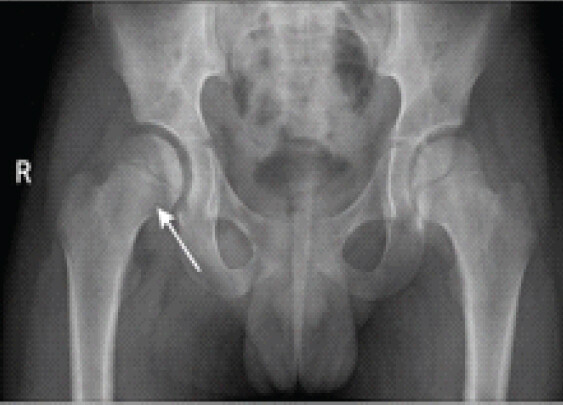
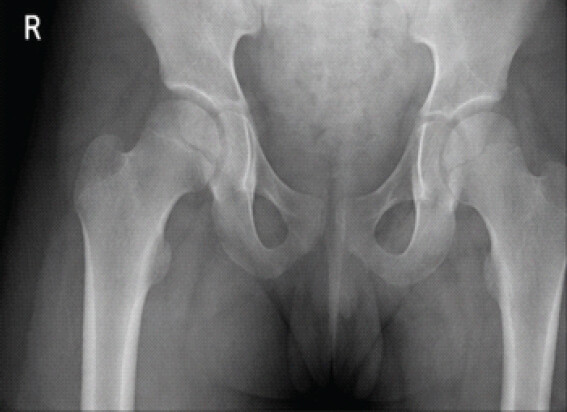
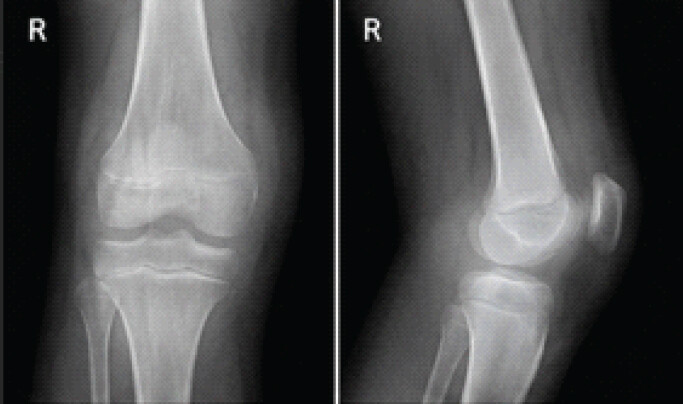
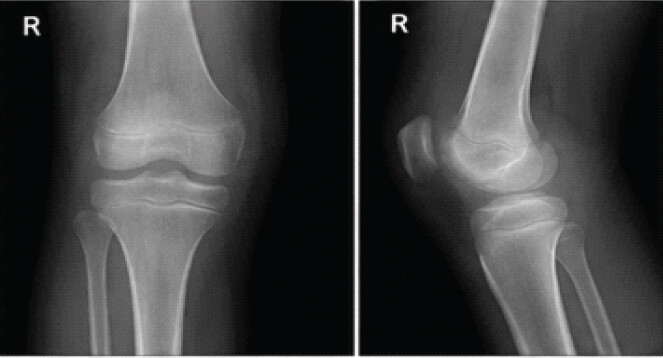
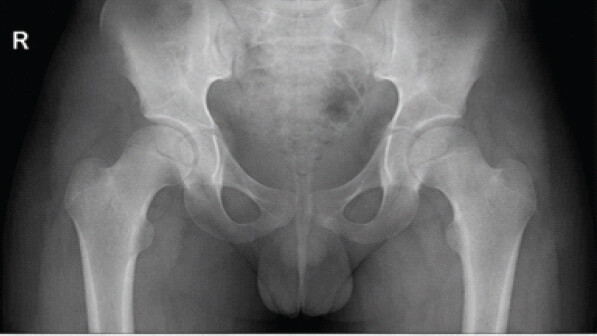
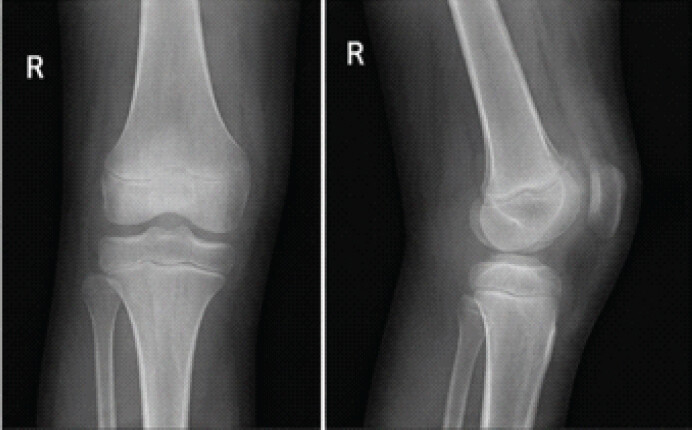
The radiographic outcomes are shown in Fig. 1–6.
Discussion
Pediatric septic arthritis continues to represent one of the most urgent infectious conditions encountered in orthopedic practice due to its potential for rapid articular destruction and long-term functional impairment. In the present study, 83.8% of children achieved excellent to good functional outcomes, reflecting the effectiveness of early surgical drainage combined with appropriate antimicrobial therapy. Similar favorable outcomes have been reported in recent pediatric orthopedic series when early intervention is instituted, emphasizing the time-sensitive nature of joint preservation in septic arthritis [9].
The hip and knee were the most commonly involved joints in our cohort, consistent with the known predilection of weight-bearing joints in pediatric septic arthritis. Hip involvement was also identified as an independent predictor of poor outcome in the present study. This finding is clinically important from an orthopedic standpoint, as hip septic arthritis is associated with higher intra-articular pressure, rapid cartilage damage, and increased risk of avascular necrosis of the femoral head. Similar observations have been reported in recent studies highlighting worse functional outcomes in pediatric hip infections compared with other joints [10].
Delayed presentation beyond seven days was strongly associated with poor functional outcome in our analysis. From an orthopedic perspective, delayed diagnosis increases the duration of synovial exposure to inflammatory mediators, leading to irreversible cartilage degradation and periarticular soft-tissue contracture. Recent literature consistently demonstrates that early diagnosis and prompt surgical drainage significantly reduce the risk of long-term joint dysfunction [11].
Microbiologically, S. aureus remained the predominant organism, with a notable proportion of methicillin-resistant strains contributing to adverse outcomes. MRSA infection was an independent predictor of poor outcome in this study. This aligns with recent orthopedic infection literature, which reports increased virulence, prolonged hospital stay, and higher complication rates associated with MRSA septic arthritis in children [12].
Elevated inflammatory markers, particularly CRP levels >100 mg/L, were significantly associated with poor outcomes. CRP has been widely recognized as a reliable marker for both diagnosis and monitoring of pediatric septic arthritis, and persistently elevated levels are associated with ongoing synovial inflammation and worse joint prognosis [13].
The need for repeat surgical drainage was another independent predictor of poor outcome. From an orthopedic surgical perspective, this likely reflects higher initial bacterial load, inadequate first debridement, or delayed presentation leading to loculated pus collections. Studies have shown that multiple surgical interventions are associated with increased risk of joint stiffness and poorer functional recovery [14].
Despite advances in imaging, microbiology, and surgical techniques, culture-negative septic arthritis remains a significant challenge, as observed in a subset of patients in the present study. This necessitates reliance on clinical judgment and empirical antibiotic therapy, particularly in resource-limited settings. Recent pediatric orthopedic guidelines emphasize early empirical coverage while awaiting culture results to avoid delays in treatment initiation [15].
Overall, the present study reinforces that pediatric septic arthritis outcomes are primarily determined by host factors, timing of intervention, joint involvement, and microbial virulence. Early recognition and aggressive orthopedic management remain central to preventing long-term disability. Identification of high-risk patients can aid in stratification and optimization of treatment protocols, ultimately improving functional outcomes in this vulnerable population.
Strengths and limitations
The strengths of the present study include its prospective design, standardized clinical and microbiological evaluation, consecutive enrollment of patients, and 6-month follow-up using a validated functional outcome measure. Additionally, the study evaluated both microbiological characteristics and independent predictors of poor orthopedic outcomes, providing clinically relevant information for the management of pediatric septic arthritis. However, several limitations should be acknowledged. This was a single-center study with a relatively modest sample size, which may limit the generalizability of the findings. The 6-month follow-up period may not have captured late orthopedic complications such as growth disturbances or degenerative joint changes. Furthermore, molecular diagnostic techniques for fastidious organisms, including K. kingae, were not routinely available, which may have contributed to culture-negative cases.
Conclusion
Pediatric septic arthritis remains an orthopedic emergency in which timely diagnosis and prompt surgical intervention, combined with appropriate antimicrobial therapy, result in favorable clinical outcomes for most patients. S. aureus was the predominant causative organism, emphasizing the importance of early microbiological evaluation to guide targeted antibiotic treatment. Delayed presentation, hip joint involvement, elevated CRP levels, MRSA infection, and the need for repeat surgical drainage were independent predictors of poor orthopedic outcome. Early recognition of these high-risk factors may facilitate timely intervention, optimize management strategies, and reduce the risk of long-term functional impairment in children with septic arthritis.
Clinical Message
Early diagnosis and urgent orthopedic intervention remain the cornerstone of preventing irreversible joint damage in pediatric septic arthritis. Timely surgical drainage combined with appropriate antibiotics significantly improves functional outcomes and reduces long-term disability. Hip involvement should be considered high-risk due to its association with rapid joint destruction and complications such as avascular necrosis. Elevated inflammatory markers and methicillin-resistant Staphylococcus aureus infection warrant closer monitoring and more aggressive management. Delay in presentation or need for repeat surgical drainage is strongly associated with poorer orthopedic prognosis.
Conflict of Interest:
Nil
Source of Support:
Nil
Consent:
The authors confirm that informed consent was obtained from the patient for publication of this article
References
- Peltola H, Pääkkönen M. Acute osteomyelitis in children. N Engl J Med 2014;370:352-60. [Google Scholar] | [PubMed]
- Van Kempen EB, Scholma A, Cheung NN, Van Veen M, Van Linge JH. Epidemiological trends in pediatric osteoarticular infections-results from a single-center retrospective study covering 2015-2023. Children (Basel) 2025;12:1210. [Google Scholar] | [PubMed]
- Arnold JC, Bradley JS. Osteoarticular infections in children. Infect Dis Clin North Am 2015;29:557-74. [Google Scholar] | [PubMed]
- Donders CM, Spaans AJ, Van Wering H, Van Bergen CJ. Developments in diagnosis and treatment of paediatric septic arthritis. World J Orthop 2022;13:122-30. [Google Scholar] | [PubMed]
- Erkilinc M, Gilmore A, Weber M, Mistovich RJ. Current concepts in pediatric septic arthritis. J Am Acad Orthop Surg 2021;29:196-206. [Google Scholar] | [PubMed]
- Feng W, Wang Q, Yao Z, Zhu D, Song B, Zhang X. Analysis of poor prognostic factors for septic arthritis of the hip in children: A case series of 76 patients. J Pediatr Orthop B 2024;33:379-86. [Google Scholar] | [PubMed]
- Obey MR, Minaie A, Schipper JA, Hosseinzadeh P. Pediatric septic arthritis of the knee: Predictors of septic hip do not apply. J Pediatr Orthop 2019;39:e769-72. [Google Scholar] | [PubMed]
- Ali S, Kumar S, Nath R, Prakash A. Prospective study of functional and radiological outcome after operative management of supracondylar fracture humerus in children. J Orthop Case Rep 2025;15:257-64. [Google Scholar] | [PubMed]
- Nannini A, Giorgino R, Bianco Prevot L, Bobba A, Curci D, Cecchinato R. Septic arthritis in the pediatric hip joint: A systematic review of diagnosis, management, and outcomes. Front Pediatr 2023;11:1311862. [Google Scholar] | [PubMed]
- QingSong T, XinLing M, Xiang R, Kang Z, Jie H. Prognostic outcomes of neonatal septic arthritis: A systematic review and meta-analysis. J Orthop Surg Res 2026;21:120. [Google Scholar] | [PubMed]
- Habusta SF, Mabrouk A, Gregush RE. Septic arthritis of the pediatric hip. In: StatPearls. Treasure Island, FL: StatPearls Publishing; 2026. Available from: https://www.ncbi.nlm.nih.gov/books/nbk459284. [cited 2026 Jun 15]. [Google Scholar] | [PubMed]
- Kaushik A, Kest H. Pediatric methicillin-resistant Staphylococcus aureus osteoarticular infections. Microorganisms 2018;6:40. [Google Scholar] | [PubMed]
- Manasa S, Mahantesh S. Diagnostic utility of inflammatory markers in septic arthritis in pediatric patients in atertiary care hospital in Bangalore. Trop J Pathol Microbiol 2019;5:343-8. [Google Scholar] | [PubMed]
- Royer J, Castel LC, Lefevre Y, Pfirrmann C, Lalioui A, Harper L. Risk of repeated drainage in pediatric septic arthritis: Patient or method? J Pediatr Orthop B 2024;33:374-8. [Google Scholar] | [PubMed]
- Saini J, Kaushik N, Jain P, Kumar J, Singh B. Recent advances in the diagnosis and management of pediatric orthopedic disorders: A comprehensive review. Cureus 2025;17:e95580. [Google Scholar] | [PubMed]
© 2026 Journal of Orthopaedic Case Reports - Published by Indian Orthopaedic Research Group
About the Authors
-

Dr. Shivvir Singh
-

Dr. Nidhi Kumari
-

Dr. Sumit Saad
Related Articles in Journal of Orthopaedic Case Reports
 June 1, 2026 Functional Outcomes of Total Hip Arthroplasty using Modified Harris Hip Score and Oxford Hip Score: A Prospective Study
 October 1, 2026 A Functional Outcome of Closed Intra-articular Fracture of Proximal Interphalangeal Joint of Hand Managed By Suzuki Frame – A Longitudinal Study
 October 1, 2026 Functional Outcome of Lucerne Cast in Patients with Metacarpal Fracture with or without Proximal Phalanx Fracture: An Observational Prospective Study
 October 1, 2026 Clinical and Functional Outcomes of Closed Intramedullary Interlocking Nailing in Extra-articular Distal Tibial Fractures: A Prospective Observational Study