

This study highlights that integrating Pilates with conventional kinesiotherapy enhances core stability, neuromuscular control, and functional recovery, leading to greater reductions in pain and disability in patients with chronic non-specific low back pain.
Shruti Mahajan, Department of Physiotherapy, National Institute of Medical Science and Research, NIMS University, Jaipur, Rajasthan, India. E-mail: dr.mahajanshruti@gmail.com
Abstract
Introduction: Chronic non-specific low back pain (CNSLBP) is a major contributor to disability worldwide. Exercise-based rehabilitation is widely recommended, yet the most effective combination of therapeutic approaches remains unclear. This study evaluated the effectiveness of conventional kinesiotherapy alone versus conventional kinesiotherapy combined with Pilates in reducing disability and pain among individuals with CNSLBP.
Materials and Methods: A randomised, assessor-blinded, parallel-group trial was conducted at Bundelkhand Medical College, Sagar, India. Using consecutive sampling, 300 adults aged 20–60 years with CNSLBP ≥12 weeks were enrolled. Participants were randomly allocated (1:1) to the control group (conventional kinesiotherapy) or the intervention group (kinesiotherapy + Pilates) using computer-generated block randomisation with stratification by baseline Roland–Morris Disability Questionnaire (RMDQ) severity. Allocation concealment was maintained using sequentially numbered opaque sealed envelopes. Both groups underwent 24 supervised sessions over 8 weeks. Disability (RMDQ) and pain intensity (Visual Analogue Scale [VAS]) were assessed at baseline and at 8 weeks. Statistical analysis included paired t-tests for within-group changes and independent t-tests for between-group comparisons, with statistical significance set at P < 0.05.
Results: Both groups showed significant within-group improvements in pain and disability after 8 weeks (P < 0.001). However, between-group analyses demonstrated significantly greater reductions in post-treatment VAS and RMDQ scores in the combined intervention group compared to the kinesiotherapy-only group (P < 0.001). Mean post-treatment VAS scores were 2.84 ± 1.02 in the combined group versus 4.13 ± 1.10 in the control group, and mean RMDQ scores were 7.84 ± 3.12 versus 10.91 ± 3.25, respectively.
Conclusion: Integrating Pilates with conventional kinesiotherapy resulted in significantly greater improvements in pain and disability compared to kinesiotherapy alone. This combined approach may offer a more effective rehabilitation strategy for managing CNSLBP.
Keywords: Chronic non-specific low back pain, disability, kinesiotherapy, exercise therapy, core stability, Pilates

Low back pain (LBP) remains a leading cause of activity limitation worldwide, affecting individuals across diverse occupational and social backgrounds [1]. Beyond its high prevalence, LBP significantly reduces productivity and imposes a substantial financial burden on healthcare systems [2]. Among its various forms, chronic non-specific LBP (CNSLBP) is characterised by persistent pain lasting longer than 12 weeks without an identifiable underlying pathology [3]. Rather than arising from a specific structural abnormality, CNSLBP is frequently associated with altered spinal biomechanics [4], reduced muscular strength [5], and contributory lifestyle factors [6]. Sedentary behaviour, poor posture, and psychological stressors further contribute to its onset and progression, often leading to long-term disability and diminished quality of life [7,8]. Physiotherapy remains the primary conservative approach for managing CNSLBP, with kinesiotherapy forming a core component of intervention. Kinesiotherapy focuses on improving spinal mobility, flexibility, muscular strength, and stability through systematic stretching, strengthening, and core stabilisation exercises [9,10]. These interventions aim to correct postural dysfunction, enhance lumbar muscle endurance, and reduce the recurrence of pain episodes [10]. However, the effectiveness of conventional kinesiotherapy in chronic cases is often variable, largely due to challenges such as inconsistent patient adherence, insufficient activation of deep stabilising muscles, and limited emphasis on body awareness and movement control [11,12]. Furthermore, repetitive exercise routines may inadequately address neuromuscular coordination and proprioceptive deficits commonly observed in individuals with CNSLBP, thereby limiting sustained functional improvement and long-term reductions in disability [13,14]. Pilates-based exercise has emerged as a promising adjunct to conventional physiotherapy in the management of CNSLBP [15]. Based on principles of core stability, postural alignment, controlled breathing, and mindful movement, Pilates emphasises strengthening and improving the endurance of deep trunk stabilising muscles, particularly the transversus abdominis and multifidus, which are frequently inhibited or weakened in individuals with chronic pain [16,17]. Through precise, controlled, and coordinated movements, Pilates facilitates neuromuscular re-education, enhances proprioceptive awareness, and promotes improved spinal stability [16]. Several studies have reported significant reductions in pain intensity and disability following Pilates-based interventions [18,19]. Moreover, its focus on movement quality and postural awareness encourages efficient functional movement patterns and sustained patient engagement, thereby addressing several limitations inherent in traditional kinesiotherapy approaches [20]. Although increasing evidence supports the role of exercise-based interventions in the management of CNSLBP, research examining the effectiveness of Pilates remains limited by small sample sizes and methodological heterogeneity [21]. While conventional kinesiotherapy continues to represent a standard component of physiotherapy care, the additional benefits of integrating Pilates with kinesiotherapy for enhancing functional outcomes and reducing disability have not been conclusively established. In particular, there is a paucity of adequately powered randomised controlled trials directly comparing kinesiotherapy alone with a combined kinesiotherapy–Pilates intervention in individuals with CNSLBP. Addressing this gap is essential to determine whether the combined approach offers superior and more sustained improvements in pain and disability. Therefore, the present study aimed to compare the effectiveness of conventional kinesiotherapy alone versus conventional kinesiotherapy combined with Pilates in reducing disability among patients with CNSLBP. It was hypothesised that the combined intervention would result in significantly greater reductions in disability compared to kinesiotherapy alone.
Ethical considerations:
Ethical clearance was obtained from the Institutional Ethics Committee of NIMS University, Jaipur, Rajasthan. Approval No: NIMS/PTOT/Ethical/August 08, 2024. Written informed consent was obtained from all participants. Confidentiality was maintained throughout the study.
This randomised controlled, assessor-blinded, parallel-group trial was conducted at the Outpatient Physiotherapy Department of Bundelkhand Medical College, Sagar, India, to evaluate the effectiveness of conventional kinesiotherapy with or without Pilates in reducing disability among patients with CNSLBP. Adults aged 20–60 years with CNSLBP of at least 12 weeks’ duration who were able to ambulate independently and provided written informed consent were included. Exclusion criteria comprised radiculopathy; acute or sub-acute LBP; receipt of physiotherapy within the preceding 6 months; inability to ambulate without assistive devices; pregnancy; malignancy; systemic disorders; or a history of major cardiothoracic, spinal, or hip surgery. A total of 300 eligible participants were consecutively recruited. The sample size estimation was performed using G*Power software (version 3.1.9.7), assuming a medium effect size (Cohen’s d = 0.5), 80% power, a two-tailed significance level of 0.05, and a 15% anticipated dropout rate. Participants were randomly allocated in a 1:1 ratio to either a control group receiving conventional kinesiotherapy or an intervention group receiving conventional kinesiotherapy combined with Pilates. Randomisation was performed using a computer-generated block randomisation sequence with variable block sizes of four and six, stratified by baseline Roland–Morris Disability Questionnaire (RMDQ) scores. Allocation concealment was ensured through sequentially numbered, opaque sealed envelopes prepared by an independent researcher. Owing to the nature of the intervention, participant and therapist blinding was not feasible; however, outcome assessors and data analysts remained blinded throughout the study. Both groups received an 8-week intervention comprising 24 supervised sessions of approximately 60 min each. Disability was assessed using the RMDQ, and pain intensity was measured using the Visual Analogue Scale (VAS) at baseline and after 8 weeks. Data were recorded using standardised forms and cross-verified with digital records. Missing data were addressed using multiple imputation, and analyses were conducted according to the intention-to-treat principle. Of the 300 randomised participants, 12 (7 in the control group and 5 in the intervention group) did not complete the intervention due to personal reasons or loss to follow-up (Table 1).
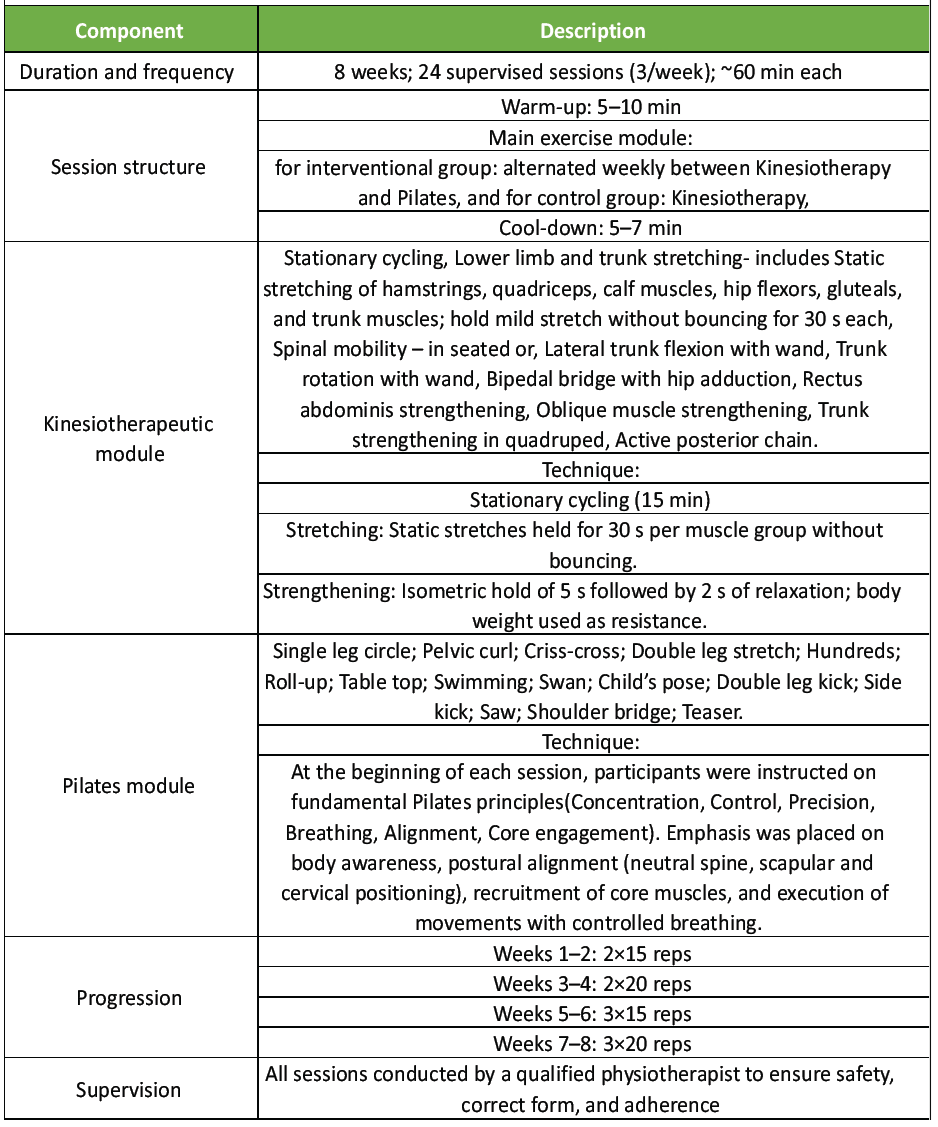
Table 1: Intervention protocol
Statistical analysis:
Data were analysed using the IBM Statistical Package for the Social Sciences Statistics (Version 26.0). Descriptive statistics were used to summarise baseline characteristics. Group comparisons were performed using independent samples t-tests for continuous variables and chi-square tests for categorical variables. Within-group changes were analysed using paired t-tests, and between-group differences were assessed using independent samples t-tests. All analyses were two-tailed, with statistical significance set at P < 0.05 (Fig. 1).
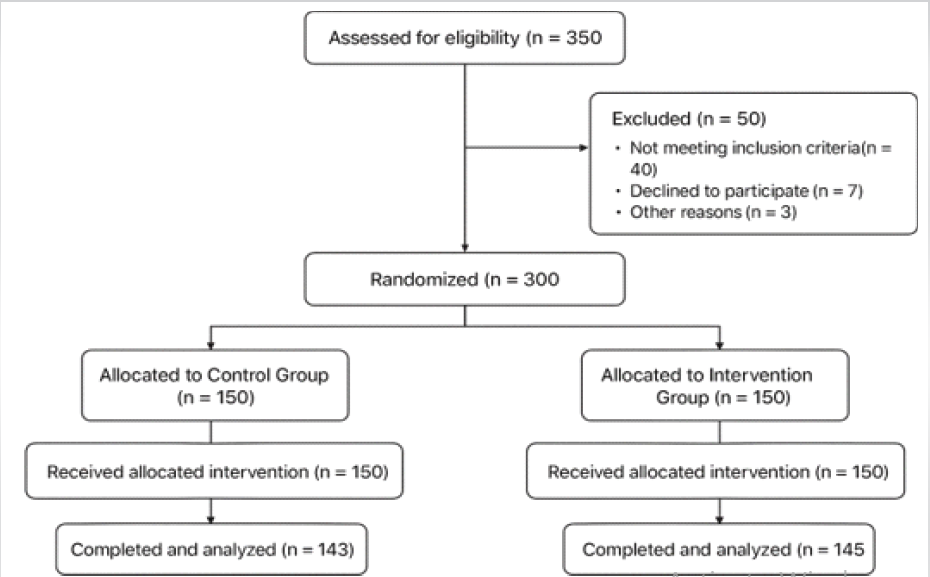
Figure 1: Participant flow diagram.
A total of 300 participants were randomised into Group A (kinesiotherapy with Pilates, n = 150) and Group B (kinesiotherapy alone, n = 150). Baseline demographic and clinical characteristics, including age, gender, pain intensity (VAS), and disability (RMDQ), were comparable between groups (P > 0.05) (Table 2).
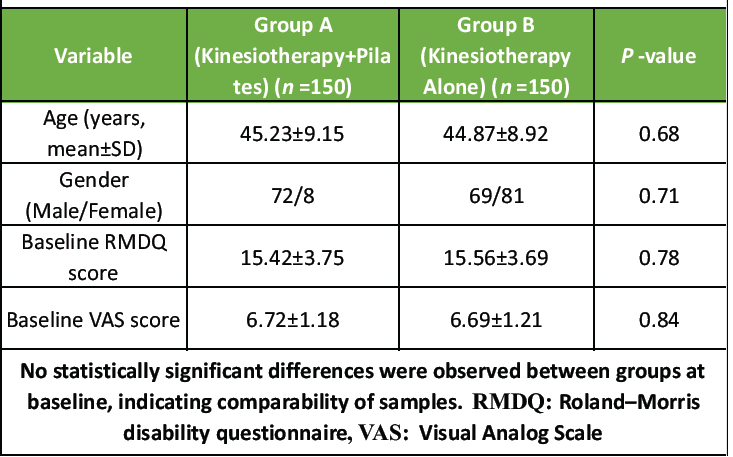
Table 2: Baseline characteristics of participants
Both groups showed significant within-group improvements in pain and disability after 8 weeks (P < 0.001). In Group A, VAS and RMDQ scores decreased from 6.72 ± 1.18 to 2.84 ± 1.02 and from 15.42 ± 3.75 to 7.84 ± 3.12, respectively. Group B also demonstrated significant reductions, with VAS scores decreasing from 6.69 ± 1.21 to 4.13 ± 1.10 and RMDQ scores from 15.56 ± 3.69 to 10.91 ± 3.25 (Table 3).
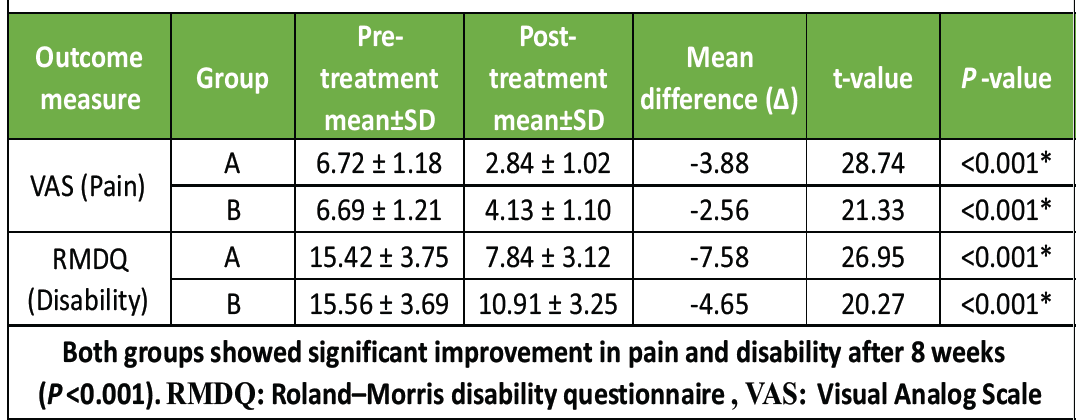
Table 3: Within-group comparison of pain and disability
Between-group analysis revealed significantly greater improvements in Group A compared to Group B, with lower post-treatment VAS (2.84 ± 1.02 vs. 4.13 ± 1.10) and RMDQ scores (7.84 ± 3.12 vs. 10.91 ± 3.25) (P < 0.001 for both outcomes) (Table 4).
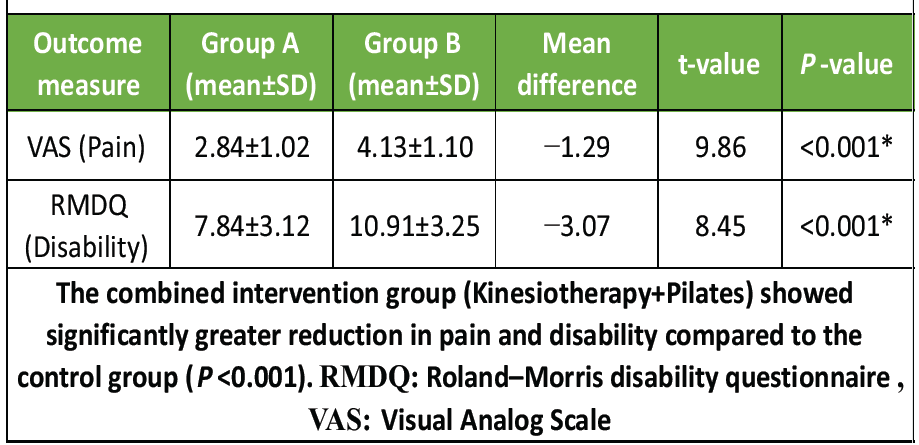
Table 4: Between-group comparison of post-treatment outcomes
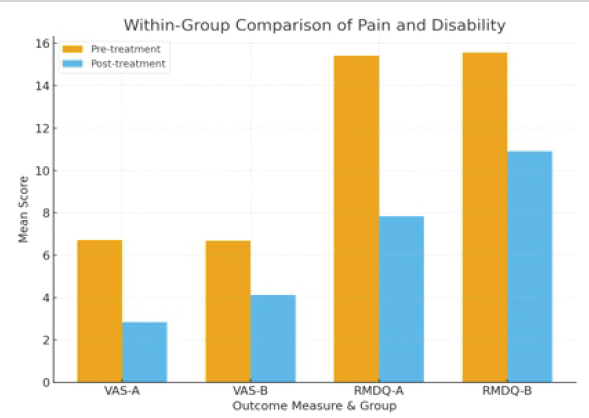
Figure 2: Within-group comparison of pain and disability.
Fig. 2 illustrates the pre-treatment and post-treatment mean scores for pain (VAS) and disability (RMDQ) within each group. Both groups demonstrated significant improvement following the intervention period. Fig. 3 compares the post-treatment outcomes between Group A and Group B. Group A exhibited greater reduction in pain and disability scores compared to Group B (P < 0.001).
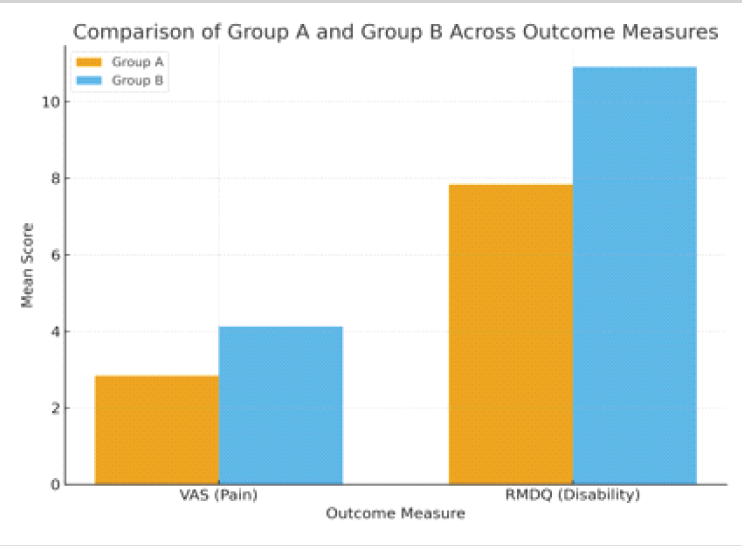
Figure 3: Between-group comparison of post-treatment outcomes.
The present randomised controlled trial demonstrated that combining Pilates with conventional kinesiotherapy produced significantly greater improvements in disability and pain among patients with CNSLBP compared to kinesiotherapy alone. Both groups showed clinically meaningful reductions in RMDQ and VAS scores after the 8-week intervention; however, the magnitude of change was markedly higher in the combined-intervention group. These findings suggest that integrating Pilates provides an incremental therapeutic benefit beyond standard exercise therapy, supporting its role as an effective adjunct in conservative management. The results align with previous evidence supporting exercise-based interventions for chronic LBP. Hayden et al. (2005) reported significant reductions in pain and disability following structured exercise therapy [22]. Pilates-focused studies, including those by Llewellyn et al. (2017) and Popli (2024), have demonstrated additional benefits in pain reduction and functional improvement, likely attributable to enhanced movement control, body awareness, and neuromuscular coordination [23,24]. Furthermore, integrative approaches combining Pilates with conventional therapy, such as those reported by Mahajan et al. (2025), have consistently shown superior outcomes, supporting the findings of the present study [25]. The greater improvements in the combined intervention group can be explained by the neurophysiological mechanisms underlying CNSLBP. This condition involves peripheral and central nervous system changes, including impaired muscle activation, altered sensory processing, and maladaptive movement patterns, which contribute to persistent pain and functional limitations (Li et al., 2021; Hodges and Moseley, 2003; Apkarian et al., 2009) [26,27,28]. O’Sullivan (2005) emphasised that altered motor control and reduced trunk muscle coordination play a central role in symptom persistence [29]. Pilates specifically enhances deep trunk muscle activation and spinal segmental stability. Pereira et al. (2017) reported increased activation of lumbopelvic stabilisers, including the internal oblique and multifidus, during Pilates exercises [30]. Lee (2021) demonstrated improved trunk muscle activation and core stability, while Andrade et al. (2015) found enhanced paraspinal muscle recruitment following Pilates principles [31,32]. Kim and Lee (2017) showed that Pilates breathing techniques further augment transversus abdominis and multifidus activation. In chronic LBP patients, Cruz-Díaz et al. (2017) observed improved transversus abdominis activation alongside reductions in pain and functional limitations [33,34]. These neuromuscular adaptations likely explain the superior clinical outcomes in the combined-intervention group. Integrating Pilates into standard physiotherapy protocols allows simultaneous targeting of global and segmental impairments, enhancing strength, mobility, and deep core activation. The structured, mindful, and patient-centred nature of Pilates may also improve adherence and engagement, supporting long-term functional recovery and self-management. This study’s methodological strengths further enhance its credibility. The large sample size increases statistical power and generalisability. Randomised allocation minimised selection bias, while assessor blinding reduced measurement bias. Finally, the use of a standardised, reproducible intervention protocol supports the reliability of the observed treatment effects.
Limitations:
This study has several limitations that should be considered when interpreting the results. The study was conducted at a single tertiary care centre in central India, which may limit the generalisability of the findings to broader populations, different healthcare settings, and varied socioeconomic contexts. The sample was drawn exclusively from patients attending the outpatient physiotherapy department, potentially introducing referral bias. Although the sample size was adequately powered, it may not fully capture the wide range of demographic, occupational, and clinical variations seen in patients with CNSLBP. The follow-up duration was limited to 8 weeks. Therefore, the long-term sustainability of treatment benefits, recurrence rates of pain and disability, and continued adherence to home exercise programmes could not be assessed. Future studies with longer follow-up periods (e.g., 6–12 months) are needed to address these aspects. Due to the nature of exercise-based interventions, participant and therapist blinding was not feasible, which may have introduced performance bias. The study primarily relied on self-reported outcome measures (VAS and RMDQ), which are subjective and susceptible to response bias. In addition, important psychological factors such as anxiety, depression, fear-avoidance beliefs, and pain catastrophising, known to significantly influence CNSLBP outcomes, were not assessed. Physical activity levels, occupational ergonomic factors, medication use, and adherence to home exercises were also not objectively monitored throughout the study period. Furthermore, the study did not include objective biomechanical assessments such as muscle strength, endurance, core muscle activation (via electromyography), flexibility, or imaging findings. The intervention followed a standardised protocol, which, while ensuring reproducibility, limited the ability to individualise treatment according to specific patient needs. The study also did not compare Pilates with other established exercise approaches, such as McKenzie therapy, motor control exercises, yoga, or aquatic therapy. Socioeconomic status, educational level, and other psychosocial determinants were not analysed, which may have influenced rehabilitation outcomes.
Future recommendations:
Future multicenter, multi-country randomised controlled trials with longer follow-up durations are recommended to validate these findings and improve generalisability. Such studies should incorporate objective outcome measures (e.g., electromyography and kinematic analysis), assess psychological covariates, monitor home exercise adherence objectively, and compare Pilates with other contemporary exercise interventions. Individualised treatment protocols based on patient-specific characteristics should also be explored.
The present randomised trial demonstrated that both conventional kinesiotherapy alone and its combination with Pilates produced significant improvements in pain intensity and disability over the 8-week intervention period. However, participants who received the combined intervention showed substantially greater gains, reflected in significantly lower post-treatment RMDQ and VAS scores compared with the kinesiotherapy-only group. These findings confirm the study hypothesis and indicate that integrating Pilates into standard physiotherapy enhances functional recovery and pain reduction in individuals with CNSLBP. Thus, the combined approach may be recommended as a more effective therapeutic strategy for optimizing clinical outcomes in this
Combining Pilates-based exercises with conventional kinesiotherapy provides superior improvement in pain and functional disability compared to kinesiotherapy alone in patients with chronic non-specific low back pain.
References
- 1. Mattiuzzi C, Lippi G, Bovo C. Current epidemiology of low back pain. J Hosp Manage Health Policy 2020;4:15. [Google Scholar] [PubMed]
- 2. Henschke N, Kamper SJ, Maher CG. The epidemiology and economic consequences of pain. Mayo Clin Proc 2015;90:139-47. [Google Scholar] [PubMed]
- 3. Maher C, Underwood M, Buchbinder R. Non-specific low back pain. Lancet 2017;389:736-47. [Google Scholar] [PubMed]
- 4. Adams MA. Biomechanics of back pain. Acupunct Med 2004;22:178-88. [Google Scholar] [PubMed]
- 5. Cho KH, Beom JW, Lee TS, Lim JH, Lee TH, Yuk JH. Trunk muscles strength as a risk factor for nonspecific low back pain: A pilot study. Ann Rehabil Med 2014;38:234-40. [Google Scholar] [PubMed]
- 6. Herrero P, Val P, Lapuente-Hernandez D, Cuenca-Zaldivar JN, Calvo S, Gomez-Trullen EM. Effects of lifestyle interventions on the improvement of chronic non-specific low Back pain: A systematic review and network Meta-analysis. Healthcare (Basel) 2024;12:505. [Google Scholar] [PubMed]
- 7. Chen SM, Liu MF, Cook J, Bass S, Lo SK. Sedentary lifestyle as a risk factor for low back pain: A systematic review. International archives of occupational and environmental health. 2009;82:797-806. [Google Scholar] [PubMed]
- 8. O’sullivan P. It’s time for change with the management of non-specific chronic low back pain. Br J Sports Med 2012;46:224-7. [Google Scholar] [PubMed]
- 9. Airaksinen O, Brox JI, Cedraschi C, Hildebrandt J, Klaber-Moffett J, Kovacs F, et al. European guidelines for the management of chronic nonspecific low back pain. Eur Spine J 2006;15 Suppl 2:s192. [Google Scholar] [PubMed]
- 10. Delitto A, George SZ, Van Dillen L, Whitman JM, Sowa G, Shekelle P, et al. Low back pain: clinical practice guidelines linked to the international classification of functioning, disability, and health from the orthopaedic section of the American physical therapy association. J Orthop Sports Phys Therapy 2012;42:A1-57. [Google Scholar] [PubMed]
- 11. Sluijs EM, Kok GJ, Van der Zee J. Correlates of exercise compliance in physical therapy. Phys Ther 1993;73:771-82. [Google Scholar] [PubMed]
- 12. O’Sullivan P. Diagnosis and classification of chronic low back pain disorders: Maladaptive movement and motor control impairments as underlying mechanism. Man Ther 2005;10:242-55. [Google Scholar] [PubMed]
- 13. Brumagne S, Cordo P, Lysens R, Verschueren S, Swinnen S. The role of paraspinal muscle spindles in lumbosacral position sense in individuals with and without low back pain. Spine (Phila Pa 1976) 2000;25:989-94. [Google Scholar] [PubMed]
- 14. Van Middelkoop M, Rubinstein SM, Verhagen AP, Ostelo RW, Koes BW, Van Tulder MW. Exercise therapy for chronic nonspecific low-back pain. Best Pract Res Clin Rheumatol 2010;24:193-204. [Google Scholar] [PubMed]
- 15. Quinn K, Barry S, Barry L. Do patients with chronic low back pain benefit from attending Pilates classes after completing conventional physiotherapy treatment? Physiother Pract Res 2011;32:5-12. [Google Scholar] [PubMed]
- 16. Anderson BD, Spector A. Introduction to Pilates-based rehabilitation. Orthop Phys Ther Clin North Am 2000;9:395-410. [Google Scholar] [PubMed]
- 17. Critchley DJ, Pierson Z, Battersby G. Effect of pilates mat exercises and conventional exercise programmes on transversus abdominis and obliquus internus abdominis activity: pilot randomised trial. Manual Ther 2011;16:183-9. [Google Scholar] [PubMed]
- 18. Natour J, Cazotti LD, Ribeiro LH, Baptista AS, Jones A. Pilates improves pain, function and quality of life in patients with chronic low back pain: A randomized controlled trial. Clin Rehabil 2015;29:59-68. [Google Scholar] [PubMed]
- 19. Miyamoto GC, Costa LO, Galvanin T, Cabral CM. Efficacy of the addition of modified Pilates exercises to a minimal intervention in patients with chronic low back pain: A randomized controlled trial. Phys Ther 2013;93:310-20. [Google Scholar] [PubMed]
- 20. Wells C, Kolt GS, Marshall P, Hill B, Bialocerkowski A. The Effectiveness of Pilates Exercise in People with Chronic Low Back Pain: A Systematic Review of Randomised Controlled Trials. In: Canadian Physiotherapy Association. [National Congress]. Canadian Physiotherapy Association; 2014. p. 3. [Google Scholar] [PubMed]
- 21. Swinkels A, Cochrane K, Burt A, Johnson L, Lunn T, Rees AS. Exercise interventions for non-specific low back pain: An overview of systematic reviews. Phys Ther Rev 2009;14:247-59. [Google Scholar] [PubMed]
- 22. Hayden J, Van Tulder MW, Malmivaara A, Koes BW. Exercise therapy for treatment of non‐specific low back pain. Cochrane Database Syst Rev 2005;2005:CD000335. [Google Scholar] [PubMed]
- 23. Llewellyn H, Konstantaki M, Johnson MI, Francis P. The effect of a Pilates exercise programme on perceived functional disability and pain associated with non-specific chronic low back pain. MOJ Yoga Phys Ther 2017;2:CD000335. [Google Scholar] [PubMed]
- 24. Popli A. Enhancing rehabilitation through Pilates: A comprehensive approach. J Clin Diagn Res 2024;18:56. [Google Scholar] [PubMed]
- 25. Mahajan S, Rathore KS, Choubey R, Saharan AK, Srivastava N, Gupta A. Feasibility of Integrating Pilates with conventional kinesiotherapy for managing chronic low back pain: A pilot study. J Orthop Case Rep 2025;15:374. [Google Scholar] [PubMed]
- 26. Li W, Gong Y, Liu J, Guo Y, Tang H, Qin S, et al. Peripheral and central pathological mechanisms of chronic low back pain: A narrative review. J Pain Res 2021:1483-94. [Google Scholar] [PubMed]
- 27. Hodges PW, Moseley GL. Pain and motor control of the lumbopelvic region: Effect and possible mechanisms. J Electromyogr Kinesiol 2003;13:361-70. [Google Scholar] [PubMed]
- 28. Apkarian AV, Baliki MN, Geha PY. Towards a theory of chronic pain. Prog Neurobiol 2009;87:81-97. [Google Scholar] [PubMed]
- 29. O’Sullivan PB. Lumbar segmental ‘instability’: Clinical presentation and specific stabilizing exercise management. Manual Ther 2000;5:2-12. [Google Scholar] [PubMed]
- 30. Pereira IL, Queiroz B, Loss J, Amorim C, Sacco IC. Trunk muscle EMG during intermediate pilates mat exercises in beginner healthy and chronic low back pain individuals. J Manipulative Physiol Ther 2017;40:350-7. [Google Scholar] [PubMed]
- 31. Lee K. The relationship of trunk muscle activation and core stability: A biomechanical analysis of pilates-based stabilization exercise. Int J Environ Res Public Health 2021;18:12804. [Google Scholar] [PubMed]
- 32. Andrade LS, Mochizuki L, Pires FO, Da Silva RA, Mota YL. Application of Pilates principles increases paraspinal muscle activation. J Bodyw Mov Ther 2015;19:62-6. [Google Scholar] [PubMed]
- 33. Kim ST, Lee JH. The effects of Pilates breathing trainings on trunk muscle activation in healthy female subjects: A prospective study. J Phys Ther Sci 2017;29:194-7. [Google Scholar] [PubMed]
- 34. Cruz-Díaz D, Bergamin M, Gobbo S, Martínez-Amat A, Hita-Contreras F. Comparative effects of 12 weeks of equipment based and mat Pilates in patients with chronic low back Pain on pain, function and transversus abdominis activation. A randomized controlled trial. Complement Ther Med 2017;33:72-7. [Google Scholar] [PubMed]






Related Articles in Journal of Orthopaedic Case Reports
 November 1, 2025 Feasibility of Integrating Pilates with Conventional Kinesiotherapy for Managing Chronic Low Back Pain: A Pilot Study
 June 1, 2026 Arthroscopic-assisted Suture-based Fixation of Patellar Osteochondral Fractures using the DG-lock Suturing: A Novel Technique
 August 10, 2023 A Rare Case of Anaplastic Large Cell Lymphoma of the Knee Joint
 July 1, 2026 Short-term Clinical Outcomes of Primary Total Hip Arthroplasty with the CoreHip Stem