

Critical barriers, challenges, and transformative opportunities define the pursuit of doctoral education in orthopaedics, underscoring the importance of integrating research and clinical innovation to improve patient care.
Dr Madhan Jeyaraman, Department of Orthopaedics, ACS Medical College and Hospital, Dr MGR Educational and Research Institute, Chennai, Tamil Nadu, India. E-mail: madhanjeyaraman@gmail.com
Abstract
Introduction: Doctoral research degrees, particularly Doctor of Philosophy (PhDs), are integral to advancing medical science, clinical research, and therapeutic practices in orthopaedics. Despite their significance in fostering innovation and evidence-based medicine, prospective PhD scholars encounter numerous barriers and challenges. Institutional inaccessibility, logistical constraints, and geographical challenges in developing countries hinder the pursuit of advanced research education. In addition, the gap between clinical practices and research-based studies highlights the struggle of translating evidence-based medicine into routine care. Researchers face challenges like inadequate mentorship, disorganised feedback, insufficient preparatory guidance, and cultural differences, affecting both foreign and native scholars. Furthermore, balancing research responsibilities with clinical duties often leads to burnout, family disruptions, and compromised patient care standards. Mental health issues and lack of confidence are prevalent among PhD students, exacerbated by time management challenges and inadequate institutional incentives. Despite these obstacles, opportunities for interdisciplinary collaboration, bridging gaps between clinical and research practices, and adopting innovative methodologies have emerged. Technological advancements in orthopaedics, such as robotics and artificial intelligence, are revolutionising patient care and inspiring new research directions. PhDs contribute to career progression by equipping clinicians with advanced knowledge, fostering policy-making skills, and promoting specialization in fields like sports medicine and regenerative therapies. While challenges persist, the academic rigour and career incentives offered by PhDs create a promising pathway for orthopaedic professionals to impact healthcare systems and patient experiences significantly. Continued focus on education, research methodologies, and interdisciplinary cooperation will ensure the integration of innovation and evidence-based practice for improved outcomes in orthopaedics.
Keywords: Doctor of philosophy, PhD, orthopedics, research, education.

Doctoral research degrees, such as Doctor of Philosophy (PhD), are becoming more essential to the primary medical qualifications, and they play an important role in improving the clinical evidence-based aspects of the therapeutic and diagnostic management of clinical conditions. Higher degree qualifications also add to the profile of a clinician by equipping him with recent advancements in the subspeciality and help in incorporating recent advances in the management of a condition. However, there are many barriers and challenges that plague a researcher or a student of higher doctoral degrees such as a PhD or master’s in science, although these higher academic qualifications do provide a platform for career advancements with the provision of many opportunities (Fig. 1). However, over the recent years, innovations such as robotics or artificial intelligence (AI) have rejuvenated a dwindling interest in research and evidence-based medicine and its applications by resulting in a paradigm shift toward providing a better patient experience and care.
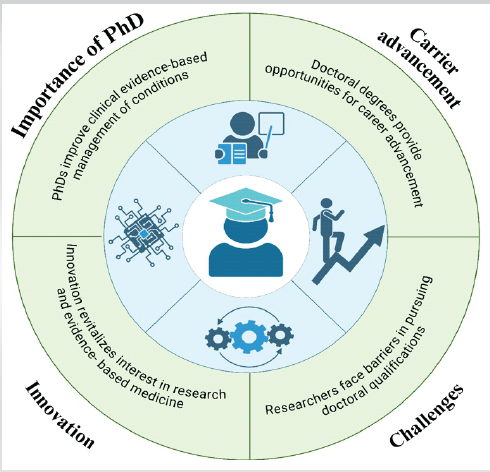
Figure 1: Significance of doctoral degree in orthopedics.
Advanced research doctoral scholars need easy institutional accessibility and logistic support. In a developing country, a lack of easy access to institutions poses constraints for research scholars. Geographical challenges also act as barriers for individuals in a developing or low-income country setup, where transport facilities and other logistic challenges make it difficult to achieve the conceived dream of higher university education. Medical science and clinical research, including that in orthopaedics, have increased over the last few years [1]. Current basic research has undergone rapid changes in the last few years, and the gap has been ever-widening between real-time clinic practices and research-based studies. This void could lead to a lack of clinical application of evidence-based medicine in day-to-day clinical practice. Although the orthopaedic clinical community would have a few exceptions who would practice evidence-based medicine sincerely, it would be unfair to leave the responsibility of the evidence-based clinical practice to these very few [1]. Such a scenario could be quite common to witness in today’s orthopaedic community, with geographical, institutional, financial, and administrative constraints for PhD or doctoral scholars. The process of research and its publication itself could be a very time-consuming process with financial strain on the researcher and his team. Publication of research could take many months of peer review before it could see the light. The review process itself is sometimes time-consuming with multiple layers of peer reviews, which are followed by corrections, editing, and revision of the article before it can be sent back to the publisher [2]. A successful publication of research, however, demands time, which would include extended hours apart from the regular working time and also working over the weekends, thereby affecting their family, professional, and personal lives [2]. This could result in disorganisation and lack of priority for time management between clinical and research activities, thereby increasing the risk of burnout with decreased standards of care affecting patient and team safety [2,3]. This seems to be of significance, especially among healthcare professionals who are involved in research while also performing clinical activities involving patient care. They may experience overstretched hours of focus on their time and energy to reach their research targets while making sure patient care remains uncompromised [2]. Such situations may result in a diversion from clinical activities with a fragmented focus on research-based writing and publishing, resulting in patient care and patient safety issues in a healthcare system that is already struggling with understaffing and overstretched resources [2]. Studies have also reported that PhD research students are struggling with a lack of skill in research writing and critical appraisal of literature, succumbing to depression and lack of confidence, leading to mental health issues and, in some cases, psychiatric disorders as well [4,5,6]. There is also a perceived lack of incentive for doctoral studies and research, with doctoral scholars struggling with inadequate institutional compensation or financial support, thereby creating barriers to advancing a scholar’s doctoral research goals [2,7]. Constraints with time management have also been observed by a recent study, which showed PhD researchers, who have been struggling to finish their assignments and thesis on time [4]. This has been linked to increased family responsibilities and inadequate preparation, which become a major barrier to meeting their targets within the deadline.
During a doctoral or a postgraduate research programme, students face many challenges, such as a lack of ideal and active mentorship, guidance, advice, and support while defining and proposing the objective, study design, and/or methodology involved therein [4,8]. Research plays a very vital role in clinical and medical sciences and also advances healthcare facilities for better diagnostic and therapeutic applications in the management of ailments [2]. Research also helps medical professionals to publish and share their research outcomes and results, which also plays an important role in the dissemination of knowledge. The research outcomes serve as a reference for further future research and replication of research to advance scientific exploration by creating a learning, teaching and dissemination of scientific knowledge [2]. In addition to this, research also helps the medical professional in getting recognised, and credibility increases with the larger scientific research community [2,9]. However, evidence-based management in diagnostic and therapeutic management of ailments and publications seems to have become increasingly important for the career progression of medical professionals [2]. Recent years have witnessed increasing competition among medical professionals for the publication of research to progress in their careers, which has all the more been the reason for increased burnout and financial, personal, and professional stress on orthopaedic surgeons [2,10]. Furthermore, researchers struggle with developing advanced research methodologies, data analysis, and statistical techniques essential for conducting high-quality research in orthopaedics. This has been demonstrated in various studies among Master of Science (MSc) and/or Management degree scholars (MBA) [4,11,12]. Scholars also have to face challenges in creating a research methodology while working on their MSc, MBA, or PhD dissertations and thesis [4,13]. A recent study showed challenges faced by African research scholars in China while presenting and/or publishing their research writings [4,14]. Studies have also examined the availability and quality of mentorship and guidance and the challenges in finding suitable mentors in postgraduate research. In recent years, mentoring and guidance have been inadequate from the faculty for postgraduate scholars who are in the process of pursuing their postgraduate education. Some studies show a lack of sufficient supervision and mentorship in the background of insufficient guidance and feedback from supervisors with varying institutional expectations, cultural diversity, and perceived cultural discrimination [4,5,15]. Such a lack of mentorship and guidance has resulted in a lack of interest and seriousness among the students toward genuine research or publication [4]. Recent studies have also noted challenges in equipping themselves with presentation and preparatory skills in students pursuing postgraduate research studies [4]. This was in addition to inadequate mentorship and supervision with disorganised feedback and less frequent supervisor meetings in the presence of unclear guidelines, which has further added to the agony of the research candidates and doctoral scholars [4,16]. These challenges do affect foreign students individually and are not restricted to a particular society or country, resulting from differences in curriculum, communication barriers due to language changes, and lack of familiarity with local university protocols regarding research methodology and expectations [4]. Recalibrating research methodologies and redrawing the strategies for the engagement of literature, thereby bridging the void in the better understanding of the subject and data analytics, also creates constraints for a doctoral research scholar [4,8]. Research scholars face profound challenges in research methodology and chalking out a study design while pursuing research projects, and it would be prudent for such students to seek supportive guidance and mentorship to assist them in improving their skills in research methods [4,17]. Furthermore, efficiency in qualitative research, intertwined with good learning devoid of any barriers and academic skill challenges, is greatly influential in the success of a PhD scholar [4,18,19].
Interdisciplinary collaboration with other medical specialities, healthcare professionals, and researchers (orthopaedic surgeons, physical and occupational therapists, athletic trainers, clinical psychologists, social workers, epidemiologists, and strategists) could enhance the quality and impact of orthopaedic research. Evidence suggests that there is a lack of coordination among clinical practice researchers and other disciplines, which could be integrated into a common minimum collaborative experience [20,21]. This approach could result in a coordinated approach to patient management based on evidence-based medicine. This could encompass clinicians getting more involved in patient care, with researchers providing their well-researched inputs to the clinicians, resulting in high standards of patient care [21,22,23,24]. Such collaborations could help in incorporating mental, emotional, psychological, and social health among healthcare professionals by bridging the gaps and creating a more inclusive and conducive environment. Bridging the gaps through collaborative education among multiple disciplines paves the way for a barrier-free system that helps to tap into the potential of each individual and helps in exposing trained professionals [21,25]. There is more possibility for the development of a model that proportionally rewards the biomedical approach through appropriate returns [21,25]. In recent years, an international body known as the International Musculoskeletal Mental and Social Health Consortium [21]. This international organisation has been formed, taking the above-mentioned aspects into account, thereby enabling healthcare professionals and researchers with varied years of experience and expertise in various fields of interest on a common platform [21]. This would provide them with an opportunity to work toward a common goal to address mental, physical, emotional, psychological, and social aspects, thereby assisting in reducing the burden of orthopedic diseases in all the countries around the world [21].
Innovation and technological advancements in orthopaedics through doctoral research play an important role by adding a positive impact on healthcare. Studies suggest that innovation and technology have not yet managed to capture the popular imagination of policymakers as lucrative, transformative tools. This is due to existential social and conservative challenges due to fear of changing the status quo [26,27]. For innovation to take proper shape, defining a problem statement is necessary. Once the problem statement is defined, it leads to motivation, followed by inspiration of thought, paving the way for ideation. Ideation involves the process of generating an idea to address the problem statement by refining the idea through discussion and data collection to come up with a further refined idea. This process helps in getting a better picture of the proposed solution by understanding its functionalities, characteristics, strengths, and weaknesses [26,28]. PhD and other postgraduate studies involve higher-order thinking with a problem-solving framework. Therefore, doctoral studies such as PhDs are effective tools for creating better solutions with a deeper understanding of the challenges [26,29].
Higher doctoral postgraduate education is becoming vital in helping clinicians with up-to-date knowledge of administrative policy [30,31,32]. Therefore, it becomes even more vital to improve the depth and adequacy of the knowledge in research, study design, epidemiology, and public and preventive health, which is quite superficially covered as part of the mainstream medical curriculum [31,33]. Over recent times, modern medical management has become more multidisciplinary, thereby creating a much more conducive environment for increasing opportunities for other disciplines such as research, medical administration, and innovation, in turn making it a necessity for the healthcare professionals to equip themselves in these aspects through high education such as MSc or PhD [31,34]. The increasing need for such higher education also leads to career advancement, creating better opportunities, therefore acting as a motivating factor for doctoral education like a PhD [31,35]. Although research activities in higher doctoral studies result in burnout, as discussed previously, having an additional higher doctoral degree does provide a lucrative option for seeking better career opportunities [31]. Orthopaedics is one of the most competitive specialities, with sports medicine becoming more and more attractive as one of the innovative subspecialities in the current spectrum of options [31]. Sports medicine depends on recent advances and innovative technology in the management of sports injuries in the form of implantable innovations, arthroscopic devices, and biologics [31]. Therefore, such a scope of innovations and technological creativity has increased the necessity for higher doctoral studies and advanced specialisation, which help in developing and incorporating a unique skill set, which would in turn help the orthopaedic surgeon to create a niche for himself in that particular subspeciality [31].
PhD and other higher academic degrees play important roles in developing and shaping a healthcare professional career progression. However, there are many barriers and challenges for a PhD researcher. In a developing country, advanced research scholars struggle with a lack of easy access to institutions. There are also geographical barriers with challenges in transport and logistics in accessibility to the institution. There are also challenges in finding a good mentor to provide adequate guidance and support with valuable feedback, which could help in career advancement. However, research-based work also provides a platform for young clinicians to express their talent. This further leads to creating opportunities for further career advancements. Research also helps in building interdisciplinary cooperation, thereby bridging the gaps between clinical, research, and evidence-based management. This approach could bring various disciplines under one roof, thereby improving patient experience and satisfaction. Higher doctoral postgraduate degrees are vital for administrative policymaking, which helps the clinicians by providing them with up-to-date guidelines, thereby increasing the standard of patient care. However, we feel that the future is bright for academically orientated clinicians, as there is a lot of scope for research and evidence-based medicine, and this could result in creating a well-organised multidisciplinary approach that could benefit both the patient and the clinician. Furthermore, the rejuvenated interest in recent years toward innovation, such as robotics or AI and their clinical applications, could result in a paradigm shift in improving the patient experience as a whole.
- Bridging the gap between evidence-based medicine and routine clinical practice is essential for enhancing patient care and outcomes in orthopaedics.
- Technological advancements, such as robotics and AI, present opportunities to revolutionize diagnostic and therapeutic approaches, improving the overall patient experience
Balancing clinical duties and research responsibilities requires effective time management and institutional support to prevent burnout and maintain high standards of patient care and safety.
References
- 1. Ahn J, Watt CD, Greeley SA, Bernstein J. MD-PhD students in a major training program show strong interest in becoming surgeon-scientists. Clin Orthop Relat Res 2004;425:258-63. [Google Scholar] [PubMed]
- 2. Arkoudis NA, Efthymiou E, Moschovaki-Zeiger O, Koutserimpas C. The challenges of balancing clinical and research responsibilities. Radiol Bras 2024;57:e20230119. [Google Scholar] [PubMed]
- 3. De Hert S. Burnout in healthcare workers: Prevalence, impact and preventative strategies. Local Reg Anesth 2020;13:171-83. [Google Scholar] [PubMed]
- 4. Jilcha K. Identifying existing research challenges and enhancing outcomes through the development of standardized methodologies. Humanit Soc Sci Commun 2025;12:187. [Google Scholar] [PubMed]
- 5. Shahsavar Z, Kourepaz H. Postgraduate students’ difficulties in writing their theses literature review. Cogent Educ 2020;7:1784620. [Google Scholar] [PubMed]
- 6. Levecque K, Anseel F, De Beuckelaer A, Van Der Heyden J, Gisle L. Work organization and mental health problems in PhD students. Res Policy 2017;46:868-79. [Google Scholar] [PubMed]
- 7. Ahn J, Man LX, Wanderer J, Bernstein J, Iannotti JP. The future of the orthopaedic clinician-scientist. Part I: The potential role of MD-PhD students considering orthopaedic surgery. J Bone Joint Surg Am 2008;90:1794-9. [Google Scholar] [PubMed]
- 8. Daniel B. Common challenges postgraduate students and early-career academics face when engaging with the scholarly literature. Electron J Bus Res Methods 2022;20:142-52. [Google Scholar] [PubMed]
- 9. Von Kaeppler EP, Akabas MH, Brass LF, Amanatullah DF. MD-PhD graduates remain underrepresented in orthopaedic surgery: National MD-PhD program outcome survey update. J Orthop Res 2020;38:2181-8. [Google Scholar] [PubMed]
- 10. Gould DJ, Glanville-Hearst M, Bunzli S, Choong PFM, Dowsey MM. Research Buddy partnership in a MD-PhD program: lessons learned. Res Involv Engagem 2023;9:4. [Google Scholar] [PubMed]
- 11. Emanuel EJ. The inevitable reimagining of medical education. JAMA 2020;323:1127-8. [Google Scholar] [PubMed]
- 12. Remenyi DS, editor. Doing Research in Business and Management: An Introduction to Process and Method. London: Sage; 2010. [Google Scholar] [PubMed]
- 13. Saunders M, Lewis P, Thornhill A. Research Methods for Business Students. 9th ed. Harlow: Pearson: 2023. [Google Scholar] [PubMed]
- 14. Bedane ZE. Challenges faced by Africans students in China. Int J Eng Res Manage 2021;8:9-13. [Google Scholar] [PubMed]
- 15. Odena O, Burgess H: How doctoral students and graduates describe facilitating experiences and strategies for their thesis writing learning process: A qualitative approach. Stud High Educ 2017;42:572-90. [Google Scholar] [PubMed]
- 16. Saleem T, Mehmood N. Assessing the quality of supervision experiences in the different research stages at postgraduate level. J Educ Educ Dev 2018;5:8-27. [Google Scholar] [PubMed]
- 17. Saldierna C, Lino M. The Design Research Methodology as a Framework for the Development of a Tool for Engineering Design Education. In: 62 Proceedings E&PDE 2010 12th International Conference on Engineering and Product Design Education – Design Education Design Research Meet Trondheim Norway 02-03092010; 2010. p. 298-303. [Google Scholar] [PubMed]
- 18. Tomita K, Alangari H, Zhu M, Ergulec F, Lachheb A, Boling E. Challenges implementing qualitative research methods in a study of instructional design practice. TechTrends 2021;65:144-51. [Google Scholar] [PubMed]
- 19. Saeed M, Ahmad N, Yasmin F. Challenges faced by postgraduate students: A case study of a private university in Pakistan. J Educ Hum Dev 2018;7:109-16. [Google Scholar] [PubMed]
- 20. Ernstzen DV, Louw QA, Hillier S. Patient perspectives about the healthcare of chronic musculoskeletal pain: Three patient cases. Afr J Disabil 2016;5:216. [Google Scholar] [PubMed]
- 21. Vranceanu AM, Bakhshaie J, Reichman M, Ring D, International Musculoskeletal Mental and Social Health Consortium (IMESH). A call for interdisciplinary collaboration to promote musculoskeletal health: The creation of the international musculoskeletal mental and social health consortium (I-MESH). J Clin Psychol Med Settings 2022;29:709-15. [Google Scholar] [PubMed]
- 22. Gereau RW 4th, Sluka KA, Maixner W, Savage SR, Price TJ, Murinson BB, et al. A pain research agenda for the 21st century. J Pain 2014;15:1203-14. [Google Scholar] [PubMed]
- 23. Patel B, Hacker E, Murks CM, Ryan CJ. Interdisciplinary pain education: Moving from discipline-specific to collaborative practice. Clin J Oncol Nurs 2016;20:636-43. [Google Scholar] [PubMed]
- 24. Peppin JF, Cheatle MD, Kirsh KL, McCarberg BH. The complexity model: A novel approach to improve chronic pain care. Pain Med 2015;16:653-66. [Google Scholar] [PubMed]
- 25. Kotecha MK, Sites BD. Pain policy and abuse of prescription opioids in the USA : A cautionary tale for Europe. Anaesthesia 2013;68:1210-5. [Google Scholar] [PubMed]
- 26. Fernandes TL, de Faria RR, Gonzales MA, Sherman SL, Goldchmit S, Fleury A. Innovation in orthopaedics: Part 2-how to translate ideas and research into clinical practice. Curr Rev Musculoskelet Med 2022;15:150-5. [Google Scholar] [PubMed]
- 27. Snow F. Creativity and innovation: An essential competency for the nurse leader. Nurs Adm Q 2019;43:306-12. [Google Scholar] [PubMed]
- 28. McLaughlin JE, Wolcott MD, Hubbard D, Umstead K, Rider TR. A qualitative review of the design thinking framework in health professions education. BMC Med Educ 2019;19:98. [Google Scholar] [PubMed]
- 29. Roberts JP, Fisher TR, Trowbridge MJ, Bent C. A design thinking framework for healthcare management and innovation. Healthc (Amst) 2016;4:11-4. [Google Scholar] [PubMed]
- 30. Ackerly DC, Sangvai DG, Udayakumar K, Shah BR, Kalman NS, Cho AH, et al. Training the next generation of physician-executives: An innovative residency pathway in management and leadership. Acad Med 2011;86:575-9. [Google Scholar] [PubMed]
- 31. Chen AZ, Greaves KM, Fortney TA, Ahmad CS, Levine WN, Trofa DP, et al. The role of advanced academic degrees in orthopaedic sports medicine faculty. Orthop J Sports Med 2022;10:23259671211073713. [Google Scholar] [PubMed]
- 32. Reilly JM, Plepys CM, Cousineau MR. Dual MD-MPH degree students in the united states: Moving the medical workforce toward population health. Public Health Rep 2021;136:640-7. [Google Scholar] [PubMed]
- 33. Morris MP, Mellia JA, Patel V, Christopher AN, Diatta F, Murphy AI, et al. Hitting the books: A nationwide analysis of advanced degrees in academic plastic surgery faculty. Aesthetic Plast Surg 2021;45:2473-82. [Google Scholar] [PubMed]
- 34. Lamb BW, Brown KF, Nagpal K, Vincent C, Green JS, Sevdalis N. Quality of care management decisions by multidisciplinary cancer teams: A systematic review. Ann Surg Oncol 2011;18:2116-25. [Google Scholar] [PubMed]
- 35. Turner AD, Stawicki SP, Guo WA. Competitive advantage of MBA for physician executives: A systematic literature review. World J Surg 2018;42:1655-65. [Google Scholar] [PubMed]

Related Articles in Journal of Orthopaedic Case Reports
 March 1, 2025 The Gut Feeling: The Role of Gut Microbiome in Orthopedics
 March 1, 2026 Networking in Orthopedics: Collaboration, Opportunities, Education, and Research in Orthopedics
 January 1, 2026 Pediatric Both Bone Fracture Leading to Median Nerve Entrapment: A Case Report
 January 1, 2026 Bridge Plating of Second and Third Carpometacarpal Fracture Dislocations: A Case Report of Rare Injury