

In intertrochanteric femur fractures treated with proximal femoral nailing, good functional outcomes are primarily achieved with stable fixation, while pre-operative HbA1c, NLR, and PLR serve as useful adjuncts for predicting recovery and guiding risk stratification.
Dr. Sourav Diasi, Department of Orthopaedics, Government Medical College, Datia, Madhya Pradesh, India. E-mail: souravdiasi123@gmail.com
Abstract
Background: Intertrochanteric femur fractures are common in the elderly and are associated with significant morbidity. Proximal femoral nail (PFN) is widely used for fixation; however, outcomes may be influenced by pre-operative metabolic and inflammatory status. This study evaluated functional outcomes of PFN and the predictive value of glycemic control, neutrophil-to-lymphocyte ratio (NLR), and platelet-to-lymphocyte ratio (PLR).
Material and Methods: This prospective study included 90 patients with intertrochanteric fractures treated with PFN. Pre-operative Glycated hemoglobin (HbA1c), NLR, and PLR were recorded. Patients were followed for 6 months and assessed using the Harris Hip Score (HHS). Functional outcomes, complications, and predictors of poor outcome were analyzed using t-test, Chi-square test, logistic regression, and receiver operating characteristic analysis.
Results: The mean age was 69.4 ± 10.8 years. At 6 months, the mean HHS was 85.2 ± 10.7, with 73.3% patients achieving excellent or good outcomes. Delayed union was the most common complication (6.7%). Patients with fair/poor outcomes had significantly higher HbA1c, NLR, and PLR (P < 0.01). HbA1c ≥7.1%, NLR >4.6, and PLR >168 were independent predictors of poor outcome. NLR showed the highest predictive ability (area under the curve 0.812).
Conclusion: PFN provides favorable functional outcomes in intertrochanteric fractures. However, elevated pre-operative HbA1c, NLR, and PLR are associated with poorer outcomes and may serve as useful predictors for risk stratification and perioperative optimization.
Keywords: Intertrochanteric fracture, proximal femoral nail, glycated hemoglobin, neutrophil-to-lymphocyte ratio, platelet-to-lymphocyte ratio.

Intertrochanteric fractures of the proximal femur are among the most frequently encountered fragility fractures in the elderly population and represent a major cause of morbidity, loss of independence, and healthcare burden worldwide [1]. The incidence of these fractures is expected to rise further with increasing life expectancy and the growing prevalence of osteoporosis and metabolic comorbidities [1,2].
Surgical fixation remains the standard of care, as conservative management is associated with prolonged immobilization, higher complication rates, and increased mortality. Among operative modalities, cephalomedullary devices such as the proximal femoral nail (PFN) have gained widespread acceptance due to their biomechanical advantages, including load-sharing properties, shorter lever arm, and improved stability in unstable fracture patterns compared to extramedullary fixation devices [2,3].
Despite advances in implant design and surgical technique, outcomes following PFN fixation are still influenced by multiple patient-related and biological factors. In particular, systemic inflammation and metabolic status have been shown to play an important role in fracture healing and post-operative recovery. Biomarkers such as neutrophil-to-lymphocyte ratio (NLR) and platelet-to-lymphocyte ratio (PLR) have emerged as simple and cost-effective indicators of systemic inflammatory response and have been associated with post-operative complications and functional outcomes in orthopedic trauma patients [4,5].
Similarly, poor glycemic control has been identified as a significant predictor of delayed union, infection, and impaired functional recovery in patients undergoing fracture fixation. Glycated hemoglobin (HbA1c) reflects long-term glycemic status and may serve as a more reliable predictor of surgical outcomes compared to random blood glucose levels [5].
Although several studies have evaluated PFN as a fixation modality for intertrochanteric fractures, limited prospective data exist regarding the combined predictive value of pre-operative HbA1c, NLR, and PLR on functional outcomes after PFN fixation. Understanding these associations may help in risk stratification, perioperative optimization, and individualized patient management strategies [6].
Therefore, the present prospective study was conducted to evaluate the orthopedic and functional outcomes of intertrochanteric fractures treated with PFN and to assess the predictive significance of pre-operative glycemic status, NLR, and PLR on post-operative outcomes.
Study design and setting
This prospective observational study was conducted in an Indian semiurban tertiary care teaching hospital. The study was undertaken after obtaining approval from the Institutional Ethics Committee (No. 151/IEC/GMC/2025, Date: 24/01/2025), and written informed consent was obtained from all participants or their legally authorized representatives before enrollment.
Sample size
The sample size was calculated based on the anticipated proportion of satisfactory functional outcomes following PFN for intertrochanteric fractures reported in previous studies. Assuming an expected favorable outcome rate of 80%, confidence level of 95%, and absolute precision of 10%, the minimum required sample size was estimated to be 82 participants. Considering possible loss to follow-up, a total of 90 consecutive eligible patients were recruited during the study period.
Study population
Patients presenting to the emergency department or orthopedic outpatient department with radiologically confirmed intertrochanteric fractures of the femur and planned for surgical fixation using a PFN were screened for inclusion.
Inclusion criteria
- Patients aged 18 years and above.
- Radiologically confirmed intertrochanteric fracture of the femur.
- Patients undergoing fixation with PFN.
- Patients willing to provide informed consent and comply with follow-up evaluations.
Exclusion criteria
- Pathological fractures secondary to malignancy.
- Polytrauma patients with life-threatening injuries.
- Previous surgery involving the ipsilateral hip or femur.
- Active infection at the operative site.
- Patients receiving immunosuppressive therapy or diagnosed with hematological disorders affecting leukocyte or platelet counts.
- Patients lost to follow-up before completion of the 6-month evaluation period.
Pre-operative assessment
Detailed demographic and clinical information, including age, sex, body mass index, mechanism of injury, side of involvement, duration from injury to surgery, comorbidities, and American Society of Anesthesiologists (ASA) grade [7] were recorded. Fractures were classified according to the Arbeitsgemeinschaft für Osteosynthesefragen/Orthopaedic Trauma Association (AO/OTA) classification system [8] using standard anteroposterior and lateral radiographs of the affected hip.
Venous blood samples were collected within 24 h of admission before surgical intervention. The following laboratory parameters were recorded:
- Fasting blood glucose (mg/dL)
- Glycated hemoglobin (HbA1c, %)
- Total leukocyte count
- Absolute neutrophil count
- Absolute lymphocyte count
- Platelet count
The NLR was calculated by dividing the absolute neutrophil count by the absolute lymphocyte count. The PLR was calculated by dividing the platelet count by the absolute lymphocyte count. Patients were categorized according to pre-operative glycemic status based on HbA1c values:
- Good glycemic control: HbA1c <7.0%
- Suboptimal glycemic control: HbA1c ≥7.0%.
Surgical procedure
All surgeries were performed under spinal or general anesthesia by experienced orthopedic surgeons using a standardized operative technique. Patients were positioned supine on a fracture table, and closed reduction was achieved under fluoroscopic guidance whenever possible. Following satisfactory reduction, fixation was performed using a PFN of appropriate size and length according to fracture configuration and patient anatomy. Perioperative antibiotic prophylaxis and thromboprophylaxis were administered according to institutional protocols. Post-operative rehabilitation was standardized, including early mobilization, range-of-motion exercises, and progressive weight-bearing as tolerated.
Outcome measures
Patients were evaluated clinically and radiologically at 6 weeks, 3 months, and 6 months postoperatively.
Primary outcome
Functional outcome was assessed using the Harris Hip Score (HHS) at 6 months. Based on the final HHS, outcomes were categorized as:
- Excellent (90–100)
- Good (80–89)
- Fair (70–79)
- Poor (<70)
Secondary outcomes
- Time to radiological union.
- Post-operative complications, including infection, implant failure, screw cut-out, varus collapse, delayed union, non-union, and reoperation.
- Association of pre-operative HbA1c, NLR, and PLR with functional outcome and complication rates.
Radiological assessment
Radiographs obtained during follow-up visits were reviewed for fracture alignment, implant position, evidence of callus formation, and progression to union. Radiological union was defined as bridging trabeculae across at least three cortices on orthogonal radiographs along with absence of pain at the fracture site during weight-bearing.
Statistical analysis
Data were entered into Microsoft Excel and analyzed using the Statistical Package for the Social Sciences version 26.0. Continuous variables were expressed as mean ± standard deviation or median with interquartile range, depending on data distribution. Categorical variables were presented as frequencies and percentages. Comparisons between groups were performed using Student’s t-test. Receiver operating characteristic (ROC) curve analysis was performed to determine the predictive ability of HbA1c, NLR, and PLR for poor functional outcomes and post-operative complications. Variables demonstrating statistical significance in univariate analysis were entered into multivariable logistic regression models to identify independent predictors. A P < 0.05 was considered statistically significant.
The study population predominantly comprised elderly individuals, with a mean age of 69.4 ± 10.8 years. Males constituted a slightly higher proportion of the cohort than females. Low-energy falls represented the most common mechanism of injury, and AO/OTA type 31-A2 fractures were the most frequently encountered fracture pattern. The baseline demographic, clinical, and fracture characteristics are summarized in Table 1.
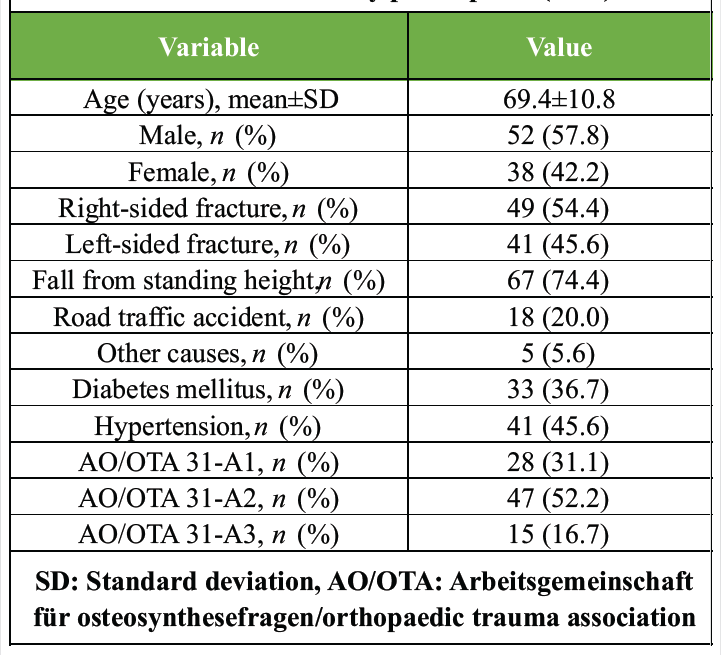
Table 1: Baseline demographic, clinical, and fracture characteristics of study participants (n=90)
The mean pre-operative HbA1c, NLR, and PLR values reflected varying degrees of metabolic and inflammatory status among the study participants. Perioperative variables, including operative duration, blood loss, and length of hospital stay, were within the expected range for PFN procedures. Detailed laboratory and perioperative findings are presented in Table 2.
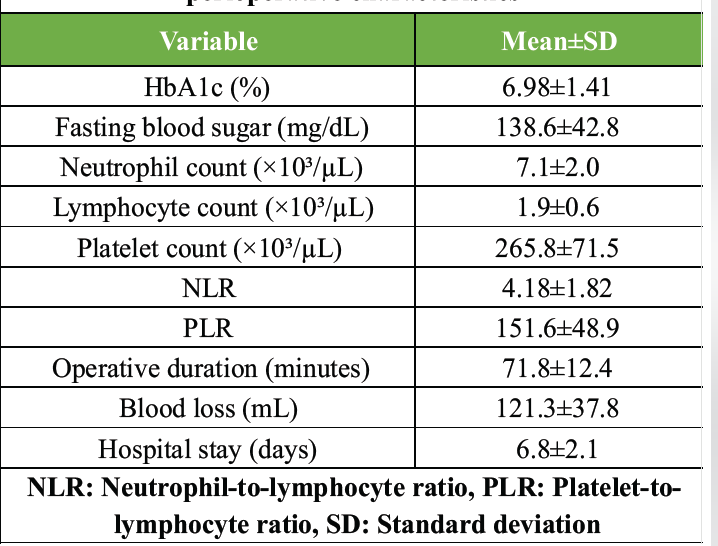
Table 2: Pre-operative laboratory parameters and perioperative characteristics
At 6 months of follow-up, the overall functional outcome following PFN was favorable. More than two-thirds of patients achieved excellent or good HHS, while a smaller proportion demonstrated fair or poor outcomes. Radiological union was achieved in most cases within the expected post-operative period (Fig. 1). Functional and radiological outcome measures are shown in Table 3.
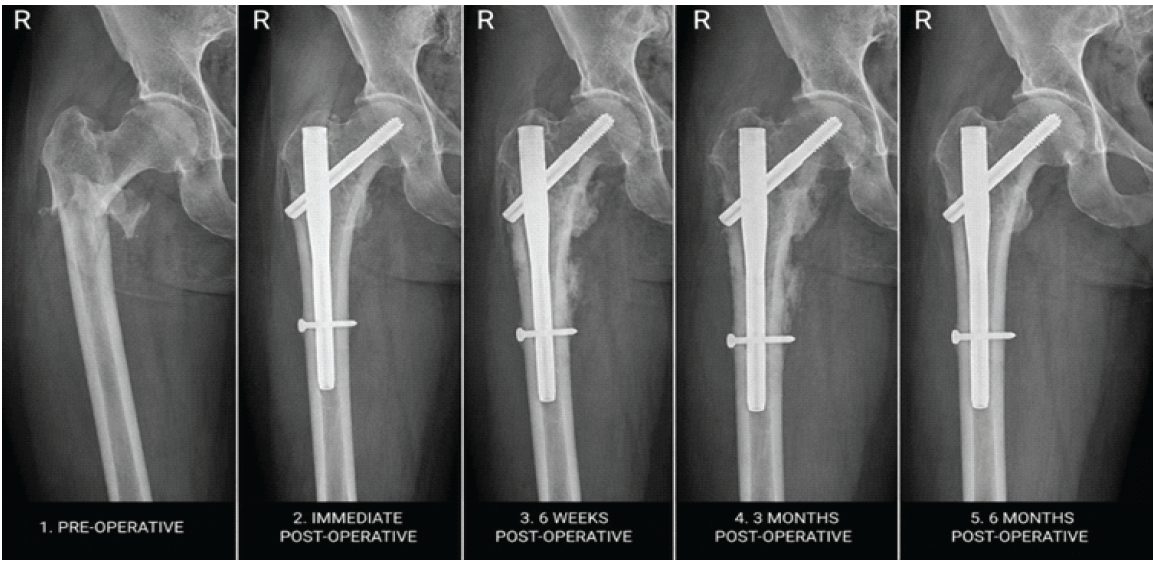
Figure 1: X-rays of an index case.
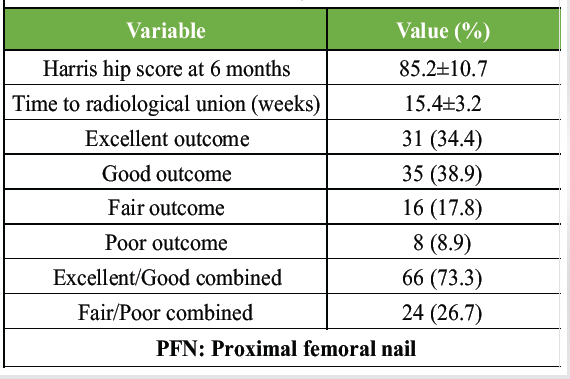
Table 3: Functional and radiological outcomes following PFN
Most patients experienced an uneventful post-operative course. Delayed union was the most common complication observed, followed by superficial surgical site infection. Mechanical complications such as varus collapse, screw cut-out, and implant failure occurred infrequently. The distribution of post-operative complications is detailed in Table 4.
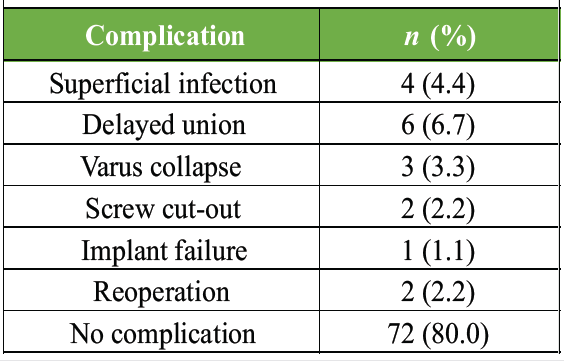
Table 4: Post-operative complications
Patients with fair or poor functional outcomes demonstrated significantly higher pre-operative HbA1c levels compared with those who achieved excellent or good outcomes. Similarly, both NLR and PLR were significantly elevated among patients with less favorable post-operative recovery. These findings suggest that impaired glycemic control and heightened systemic inflammatory status before surgery may adversely influence functional outcomes after PFN. Comparative analysis of biomarker levels between outcome groups is presented in Table 5.
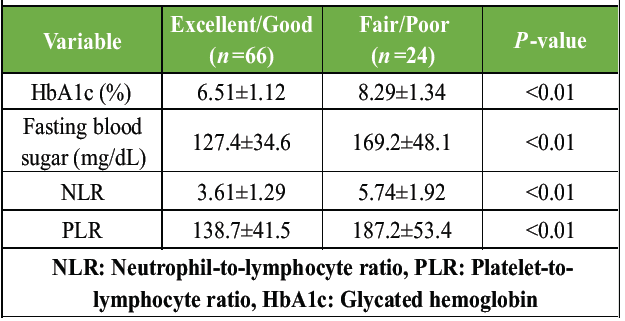
Table 5: Comparison of biomarkers between patients with good and poor functional outcomes
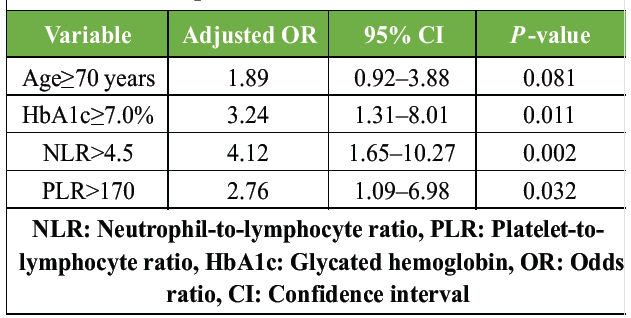
Table 6: Multivariable logistic regression for predictors of poor functional outcome
Multivariable logistic regression analysis (Table 6) identified elevated HbA1c, increased NLR, and increased PLR as independent predictors of poor functional outcome at 6 months. Among these variables, NLR demonstrated the strongest association with unfavorable recovery. ROC analysis further showed acceptable discriminatory ability of all three biomarkers, with NLR exhibiting the highest predictive performance. The regression and ROC analyses are summarized in Table 7.
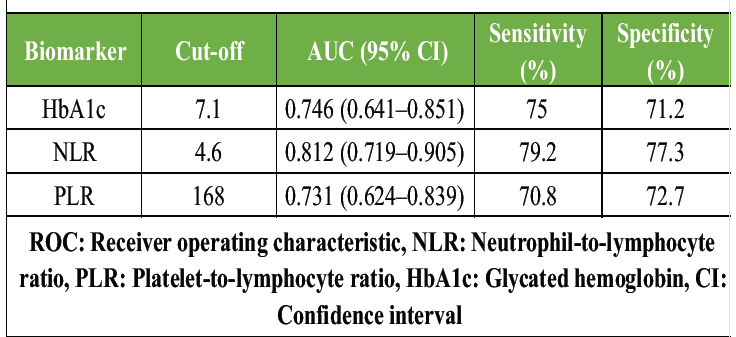
Table 7: ROC analysis for the prediction of poor functional outcome
Intertrochanteric femur fractures represent a major orthopedic challenge in elderly patients due to associated osteoporosis, comorbidities, and high functional demands. In the present prospective study, PFN demonstrated favorable functional outcomes, with most patients achieving good to excellent HHS at 6 months, consistent with current literature supporting PFN as a standard fixation modality for unstable proximal femoral fractures [9,10].
In our study, the majority of fractures were AO/OTA 31-A2 type, and low-energy falls were the predominant mechanism of injury, reflecting the typical geriatric fracture pattern reported in contemporary studies [10]. The high union rate and acceptable mean time to radiological healing observed in our cohort align with recent evidence demonstrating reliable fracture consolidation with cephalomedullary devices due to their biomechanical advantage and load-sharing properties [11].
Functional outcomes assessed by the HHS were satisfactory in most patients, with approximately three-fourths achieving excellent or good results. Similar functional recovery trends have been reported in recent prospective and comparative studies evaluating PFN in intertrochanteric fractures, where early mobilization and stable fixation contributed to improved post-operative rehabilitation outcomes [12].
The complication profile in our study was relatively low, with delayed union being the most frequent complication. Mechanical failures such as screw cut-out and implant failure were uncommon. These findings are consistent with recent systematic analyses reporting lower complication and reoperation rates with intramedullary fixation compared to extramedullary devices, particularly in unstable fracture patterns [13].
A key observation of this study was the significant association between elevated pre-operative HbA1c and poorer functional outcomes. Poor glycemic control has been shown to impair osteoblastic activity, delay callus formation, and increase susceptibility to infection, thereby negatively influencing fracture healing and post-operative recovery [14]. HbA1c, as a marker of chronic glycemic status, provides a more reliable predictor of surgical risk than single-point glucose measurements.
Similarly, inflammatory markers such as NLR and PLR were significantly higher in patients with poor outcomes. Recent orthopedic trauma studies have demonstrated that elevated NLR and PLR reflect systemic inflammatory burden and are associated with delayed healing, increased complication rates, and poorer functional recovery following fracture fixation [15,16]. In the present study, NLR demonstrated the strongest predictive value among the studied biomarkers, which is consistent with emerging evidence highlighting its role as a robust prognostic indicator in orthopedic trauma populations [16].
Multivariable analysis confirmed HbA1c, NLR, and PLR as independent predictors of poor functional outcome. This supports the growing concept that fracture healing is not solely dependent on mechanical stability but is also significantly influenced by systemic metabolic and inflammatory status. Similar predictive models incorporating inflammatory biomarkers have shown improved risk stratification in geriatric fracture populations [17].
Limitations
This study has several limitations. It was conducted at a single tertiary care center with a relatively modest sample size, which may limit the generalizability of the findings and the statistical power for subgroup analyses. The 6-month follow-up was insufficient to assess long-term functional recovery, implant survival, fracture union, mortality, and late complications. As a prospective observational study, causal relationships cannot be established, and residual confounding from unmeasured factors, including osteoporosis severity, nutritional status, frailty, rehabilitation compliance, and socioeconomic status, cannot be excluded. Biomarkers (HbA1c, NLR, and PLR) were assessed only pre-operatively, and functional outcome was evaluated solely using the HHS without additional patient-reported or quality-of-life measures. Furthermore, all patients underwent PFN; therefore, the findings and proposed biomarker cut-off values require validation in larger multicenter studies and should not be extrapolated to other treatment modalities.
PFN remains an effective and reliable modality for the management of intertrochanteric femur fractures, providing satisfactory functional and radiological outcomes in the majority of patients. However, pre-operative glycemic status, NLR, and PLR were found to significantly influence post-operative recovery, with poorer outcomes observed in patients demonstrating suboptimal metabolic control and elevated inflammatory markers. These findings highlight the importance of thorough pre-operative optimization and risk stratification, as incorporating simple, routinely available biomarkers may aid in predicting functional outcomes and guiding perioperative decision-making in this patient population.
Proximal femoral nailing provides reliable fixation and favorable functional outcomes in most intertrochanteric femur fractures when proper reduction and implant positioning are achieved. However, patient-related factors significantly influence recovery even when the surgical technique is optimal. Elevated pre-operative HbA1c, NLR, and PLR are associated with delayed or suboptimal functional outcomes and higher complication risk. These routinely available parameters can assist in early identification of high-risk patients, enabling better perioperative optimization and closer post-operative monitoring.
References
- 1. Bhardwaj S, Sakale H, Agrawal AC, Kar B, Narayan Dash R, Rai A, Garg AK. A Comparison of the Clinicoradiological Outcomes of Intertrochanteric Fractures Treated Using Proximal Femoral Nail and Proximal Femoral Nail Anti-rotation. Cureus. 2024 May 19;16(5):e60639. doi: 10.7759/cureus.60639. [Google Scholar] [PubMed] [CrossRef]
- 2. Aygün Ü, Şenocak E, Aksay MF, Çiçek AC, Halaç O, Toy S. An overview of patients with intertrochanteric femoral fractures treated with proximal femoral nail fixation using important criteria. BMC Musculoskelet Disord. 2024 Dec 20;25(1):1051. doi: 10.1186/s12891-024-08197-0. [Google Scholar] [PubMed] [CrossRef]
- 3. Yalın M, Golgelioglu F, Key S. Intertrochanteric Femoral Fractures: A Comparison of Clinical and Radiographic Results with the Proximal Femoral Intramedullary Nail (PROFIN), the Anti-Rotation Proximal Femoral Nail (A-PFN), and the InterTAN Nail. Medicina (Kaunas). 2023 Mar 13;59(3):559. doi: 10.3390/medicina59030559. [Google Scholar] [PubMed] [CrossRef]
- 4. Kund ASR, Boddana GK, Patnala C, Yalamanchili R. Parameters Governing the Fate of Fracture Fixation With Proximal Femoral Nailing (PFN) for Intertrochanteric Femur Fractures. Cureus. 2023 Jun 25;15(6):e40952. doi: 10.7759/cureus.40952. [Google Scholar] [PubMed] [CrossRef]
- 5. Thakur P, Khanal KR, Amatya I. Functional Outcome of Proximal Femoral Nailing in Intertrochanteric Fracture. J Nepal Health Res Counc. 2022 Mar 13;19(4):805-808. doi: 10.33314/jnhrc.v19i04.3946. [Google Scholar] [PubMed] [CrossRef]
- 6. Mercan N, Yurteri A. Comparative analysis of third-generation intramedullary nails in unstable trochanteric fractures. Ann Med Res. 2024;31(5):397-403. doi: 10.5455/annalsmedres.2024.03.060. [Google Scholar] [PubMed] [CrossRef]
- 7. Hendrix JM, Garmon EH. American Society of Anesthesiologists Physical Status Classification System. [Updated 2025 Feb 11]. In: StatPearls [Internet]. Treasure Island (FL): StatPearls Publishing; 2026 Jan-. Available from: https://www.ncbi.nlm.nih.gov/books/NBK441940/ [Google Scholar] [PubMed]
- 8. Park JW, Jo WL, Park BK, Go JJ, Han M, Chun S, Lee YK. Reliability of the 2018 Revised Version of AO/OTA Classification for Femoral Shaft Fractures. Clin Orthop Surg. 2024 Oct;16(5):688-693. doi: 10.4055/cios23292. [Google Scholar] [PubMed] [CrossRef]
- 9. Kumar J, Vatsa G, Suman S, Sindhu V. Comparative study of the clinico-radiological outcomes of fixation of unstable intertrochanteric fractures with standard proximal femoral nail (PFN) and proximal femoral nail antirotation for Asia (PFNA2). Journal of Orthopaedics and Sports Medicine. 2024;6:227–230. doi:10.26502/josm.511500166. [Google Scholar] [PubMed] [CrossRef]
- 10. Varmış HO, Gökmen MY, Tan İ. A retrospective comparative study of the clinical and radiological outcomes of intertrochanteric fractures treated with proximal femoral nail antirotation (PFN-A) and INTERTAN nail. PLoS One. 2025 Jan 6;20(1):e0316954. doi: 10.1371/journal.pone.0316954. [Google Scholar] [PubMed] [CrossRef]
- 11. Schneider F, Oettle C, Runer A, Wagner M, Arora R, Lindtner RA. Retrospective evaluation of radiological and clinical outcomes after surgical treatment of proximal femoral fractures utilizing PFNA and PFNA augmented. Arch Orthop Trauma Surg. 2024 Jun;144(6):2603-2608. doi: 10.1007/s00402-024-05349-8. [Google Scholar] [PubMed] [CrossRef]
- 12. Kantaria HN, Kavi SK, Patel I, Amin TK, Modi DR. Functional outcome of proximal femoral nailing in subtrochanteric fracture of femur in adults. International Journal of Orthopaedics Sciences. 2024;10(2):127–130. doi:10.22271/ortho.2024.v10.i2b.3544. [Google Scholar] [PubMed] [CrossRef]
- 13. Rasul S, Shetty S, Mortada M, Quzli AA, Kulkarni SV, Bencharles O, Jouni H, Saleem F. Comparative Effectiveness of the Proximal Femoral Nail and Dynamic Hip Screw Fixation in Intertrochanteric Femur Fractures: A Systematic Review and Meta-Analysis. Cureus. 2025 Oct 17;17(10):e94767. doi: 10.7759/cureus.94767. [Google Scholar] [PubMed] [CrossRef]
- 14. Singh S. Proximal Femoral Nail versus Proximal Femoral Nail Antirotation: Functional and Radiological Outcome in Intertrochanteric Fractures of Femur. Cureus. 2021 Oct 28;13(10):e19093. doi: 10.7759/cureus.19093. [Google Scholar] [PubMed] [CrossRef]
- 15. Bagga M, Mahawar S, Chatterji G, Nagar R, Parashar R. Comparison of Functional Outcomes Between Short and Long Cephalomedullary Nails in Intertrochanteric Femur Fractures in Elderly Patients. Cureus. 2025 Aug 11;17(8):e89818. doi: 10.7759/cureus.89818. [Google Scholar] [PubMed] [CrossRef]
- 16. Bonnaire F, Lein T, Fülling T, Bula P. Reduced complication rates for unstable trochanteric fractures managed with third-generation nails: Gamma 3 nail versus PFNA. Eur J Trauma Emerg Surg. 2020 Oct;46(5):955-962. doi: 10.1007/s00068-019-01200-7. [Google Scholar] [PubMed] [CrossRef]
- 17. Bordbar S, Komijani M, Eidy F, Nabian MH, Zanjani L. The role of lateral wall reconstruction in improving surgical outcomes for intertrochanteric femur fractures. J Exp Orthop. 2025 Jul 24;12(3):e70385. doi: 10.1002/jeo2.70385. [Google Scholar] [PubMed] [CrossRef]



Related Articles in Journal of Orthopaedic Case Reports
 August 1, 2026 Radiological Outcomes of Reamed Short Proximal Femoral Nailing in Intertrochanteric Fractures in Patients Aged 50 Years and Above
 June 1, 2026 Pseudoaneurysm of the Medial Femoral Circumflex Artery following Surgical Fixation of Trochanteric Femur Fracture: A Case Report
 June 1, 2026 Early Mechanical Dissociation of Helical Blade-Barrel Interface in Proximal Femoral Nail: A Case Report
 November 1, 2025 Impact of Tip Apex Distance, Cortical Reduction, and Lateral Wall Integrity on Radiological Union of Unstable Trochanter Fracture Treated with Proximal Femoral Nail: A Retrospective Observational Study