

Peroneus longus tendon autograft is a safe and effective alternative to hamstring tendon autograft for ACL reconstruction, providing larger graft diameter, better functional recovery, improved knee stability, and minimal donor-site morbidity without compromising ankle function.
Dr. Mayur Patil, Department of Orthopedics, Government Medical College, Chhatrapati Sambhajinagar, Maharashtra, India. E-mail: patilmayur213@gmail.com
Abstract
Introduction: Graft selection remains a critical determinant of outcomes in anterior cruciate ligament (ACL) reconstruction. While hamstring tendon (HT) autografts are widely used, variable graft diameter and knee-flexor morbidity remain concerns. The peroneus longus tendon (PLT) has emerged as a promising alternative offering predictable diameter and minimal donor-site morbidity. This study compares operative, functional, and stability outcomes between HT and PLT autografts in single-bundle arthroscopic ACL reconstruction.
Materials and Methods: A prospective comparative study was conducted on 50 patients who underwent arthroscopic single-bundle ACL reconstruction at a tertiary care center. Patients were divided into two groups: Group A (n = 26) received quadrupled HT autografts, and Group B (n = 24) underwent reconstruction using PLT autografts. Outcome measures included operative duration, graft diameter, Lysholm and International Knee Documentation Committee (IKDC) scores (pre-operative, 6 months, 12 months, and 24 months), range of motion at 3 months, return to daily activities, return to sport activity, anterior knee laxity at 12 months by KT-1000 arthrometer, donor-site morbidity, graft failure, post-operative infection and overall functional outcome. Statistical analysis was performed using independent t-tests and Chi-square tests. P < 0.05 was considered statistically significant.
Results: The peroneus longus group demonstrated significantly shorter operative duration (74.85 ± 5.13 vs. 89.20 ± 4.49 min; P < 0.001), larger graft diameter (8.39 ± 0.23 vs. 7.65 ± 0.34 mm; P < 0.001), superior Lysholm scores at 24 months (96.50 ± 2.09 vs. 90.15 ± 3.18; P < 0.001), better IKDC scores at 24 months (95.80 ± 2.67 vs. 89.10± 3.09; P < 0.001), improved early range of motion (128.55 ± 4.36° vs. 124.54 ± 3.93°; P = 0.013), earlier return to daily activities (9.07 ± 0.72 vs. 10.94 ± 0.97 weeks; P < 0.001), and earlier return to sports activity (193.1 vs. 229.6 days; P < 0.001). Moreover, lower anterior knee laxity (2.28 ± 0.26 vs. 2.94 ± 0.41 mm; P < 0.001). A significant positive correlation was identified between anterior knee laxity and delayed return to daily activities (r = 0.552, P = 0.002).
Conclusion: PLT demonstrated favorable functional and operative outcomes and may represent an effective alternative to hamstring autograft in ACL reconstruction with respect to operative efficiency, graft diameter, functional recovery, and knee stability. PLT represents a safe and effective alternative graft, particularly in patients where adequate graft size and preservation of knee-flexor strength are desired.
Keywords: Anterior cruciate ligament reconstruction, peroneus longus tendon, hamstring autograft, graft diameter, Lysholm score, International Knee Documentation Committee score, knee stability, donor-site morbidity.

Anterior cruciate ligament (ACL) injury is one of the most prevalent and functionally disabling ligamentous injuries of the knee, predominantly affecting young, active individuals involved in sports and physically demanding occupations. It carries a significant risk of chronic instability, progressive meniscal degeneration, and early-onset osteoarthritis if managed inadequately [1]. Epidemiological data indicate an annual incidence exceeding 200,000 cases globally, with female athletes demonstrating a 3–8 times higher susceptibility compared to male counterparts due to anatomical, hormonal, and neuromuscular factors [2].
Arthroscopic ACL reconstruction is the standard of care for young active patients, and graft selection remains one of the most critical determinants of post-operative outcomes. Bone-patellar tendon-bone grafts were historically considered the gold standard; however, concerns regarding anterior knee pain and donor-site morbidity prompted widespread adoption of soft-tissue autografts, particularly the quadrupled hamstring tendon (HT) [3,4]. Despite its popularity, HT autografts are associated with variable graft diameter, slower tunnel integration, potential flexion strength deficits, and thigh muscle hypotrophy [5].
The peroneus longus tendon (PLT) has gained increasing clinical attention as an alternative autograft due to its favorable length, predictable and consistently larger diameter, and high tensile strength. Recent comparative studies have demonstrated that PLT is a safe and effective alternative to hamstring tendon autografts in ACL reconstruction [6]. Emerging evidence demonstrates that PLT harvesting results in minimal ankle dysfunction, owing to compensatory activity of the peroneus brevis and tibialis posterior [7,8,9]. However, comparative clinical evidence between HT and PLT autografts in ACL reconstruction remains limited although the peroneus longus tendon has also been successfully used in complex ligament reconstruction procedures, including combined ACL and posterolateral corner reconstruction [10]. This prospective study aims to compare clinical, operative, and functional outcomes between HT and PLT autografts in single-bundle arthroscopic ACL reconstruction at a tertiary care center, contributing to evidence-based graft selection guidance.
Study design and ethical approval
This was a prospective comparative study conducted at a tertiary care center over a period of 3 years. Ethical clearance was obtained from the Institutional Ethics Committee. Written informed consent was obtained from all participants before enrollment. The study adhered to the Declaration of Helsinki principles.
Patient selection
A total of 50 patients with MRI-confirmed ACL rupture who underwent arthroscopic single-bundle ACL reconstruction were enrolled. Patients were allocated to Group A (HT autograft, n = 26) or Group B (PLT autograft, n = 24). Randomization was performed using a computer-generated random sequence by an investigator not involved in patient recruitment. Allocation was concealed using sequentially numbered opaque sealed envelopes.
Inclusion criteria
Age 18–55 years; confirmed complete ACL tear on clinical examination and magnetic resonance imaging (MRI); willingness to comply with follow-up.
Exclusion criteria
Multiligament injuries, prior knee surgery, contralateral ACL injury, skeletal immaturity, collateral ligament pathology, and systemic musculoskeletal disorders.
Surgical technique
All procedures were performed by the same senior surgeon team under spinal or general anesthesia. Diagnostic arthroscopy was performed prior to graft harvesting to assess associated meniscal and chondral pathology.
In Group A (HT), the semitendinosus and gracilis tendons were harvested through a 3 cm oblique incision over the anteromedial aspect of the proximal tibia using a tendon stripper, then quadrupled and prepared (Fig. 1). In Group B (PLT), the PLT was harvested through a 2 cm longitudinal incision on the posterolateral aspect of the fibula, prepared as a quadrupled graft (Fig. 2). Single-bundle anatomic reconstruction was performed in all cases using interference screw fixation.
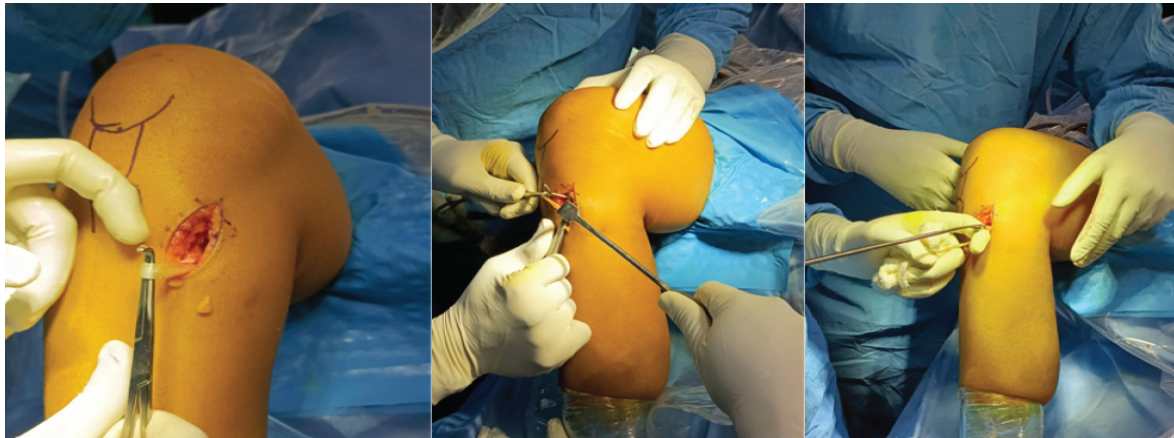
Figure 1: Intraoperative photographs demonstrating hamstring tendon harvesting.
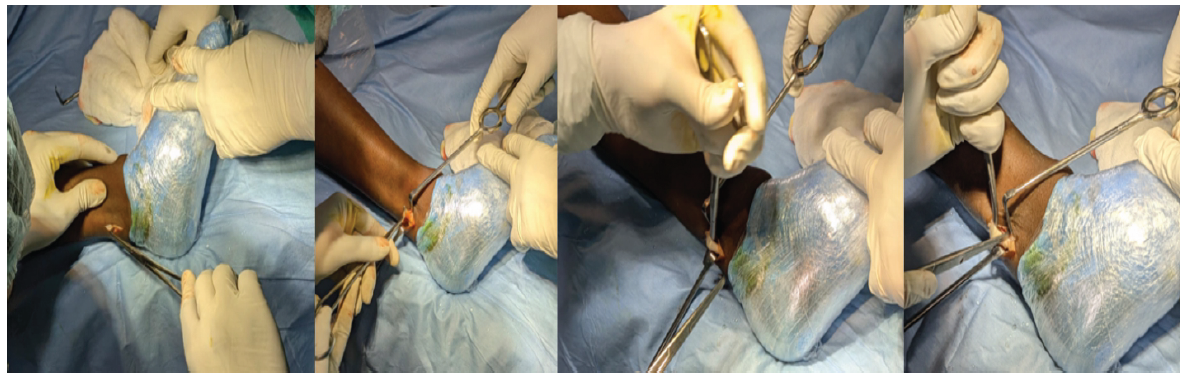
Figure 2: Intraoperative photographs demonstrating peroneus longus tendon harvesting
Post-operative protocol
All patients followed a standardized post-operative rehabilitation protocol including: immediate quadriceps setting and ankle pumping; partial weight-bearing with crutches for 2 weeks; progressive range-of-motion exercises from Day 1; strengthening exercises initiated at 6 weeks; proprioceptive training from 8 weeks; and return to daily activities guided
Outcome assessment
Primary outcomes included Lysholm Knee Scoring Scale and International Knee Documentation Committee (IKDC) Subjective Knee Evaluation Form, assessed preoperatively, at 6 months, 12 months and 24 months. Secondary outcomes included operative duration (minutes), graft diameter (mm), range of motion at 3 months (degrees), time to return to daily activities (weeks), time to return to sports activity (days), anterior knee laxity at 12 months (mm), donor-site morbidity (present/absent), post-operative infection, graft failure, and overall functional outcome (Excellent/Good/Fair based on final Lysholm score).
Statistical analysis
Statistical analysis was performed using the Statistical Package for the Social Sciences v25.0. Continuous variables were expressed as mean ± standard deviation and compared using an independent samples t-test. Categorical variables were analyzed using the Chi-square test. The Pearson correlation coefficient was used to evaluate associations between continuous variables. P < 0.05 was considered statistically significant.
Demographic and baseline characteristics
A total of 50 patients were included, comprising 26 in the HT group and 24 in the PLT group. The mean age was comparable between groups. The study population demonstrated male predominance (83.3%; HT: 20 males, PLT: 19 males). Right-sided ACL injury was more frequent (66.7%). Sports injury was the most common mechanism (50.0%), followed by road traffic accidents (40.0%) and falls (10.0%). Groups were comparable for age (χ2 = 0.546, P = 0.909), sex (χ2 = 0.107, P = 0.743), side involved (χ2 = 0.067, P = 0.796), mode of injury (χ2 = 0.268, P = 0.875), surgery timing (χ2 = 3.310, P = 0.191), and body mass index 23.58 ± 2.05 versus 23.51 ± 1.11 kg/m2; P = 0.918; (Table 1).
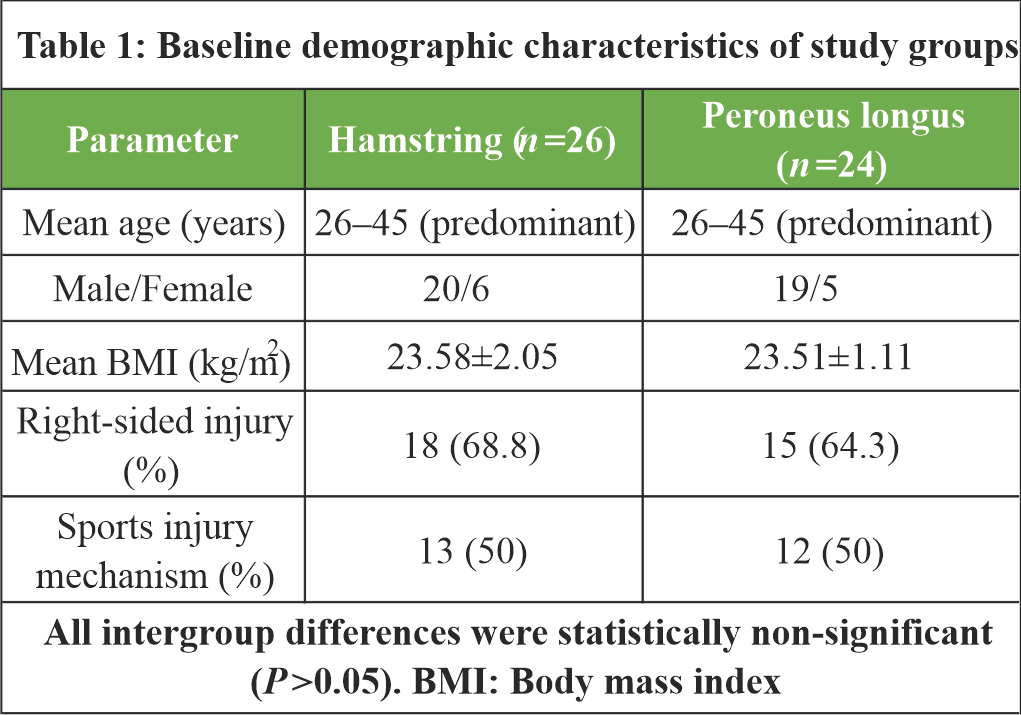
Table 1: Baseline demographic characteristics of study groups.
Operative parameters
The peroneus longus group demonstrated a significantly shorter operative duration (74.85 ± 5.13 min) compared to the hamstring group (89.20 ± 4.49 min; t = 8.175, P < 0.001). Graft diameter was also significantly larger in the PLT group (8.39 ± 0.23 mm vs. 7.65 ± 0.34 mm; t = −6.797, P < 0.001), with all PLT grafts exceeding the 8 mm threshold associated with lower graft failure risk (Table 2).
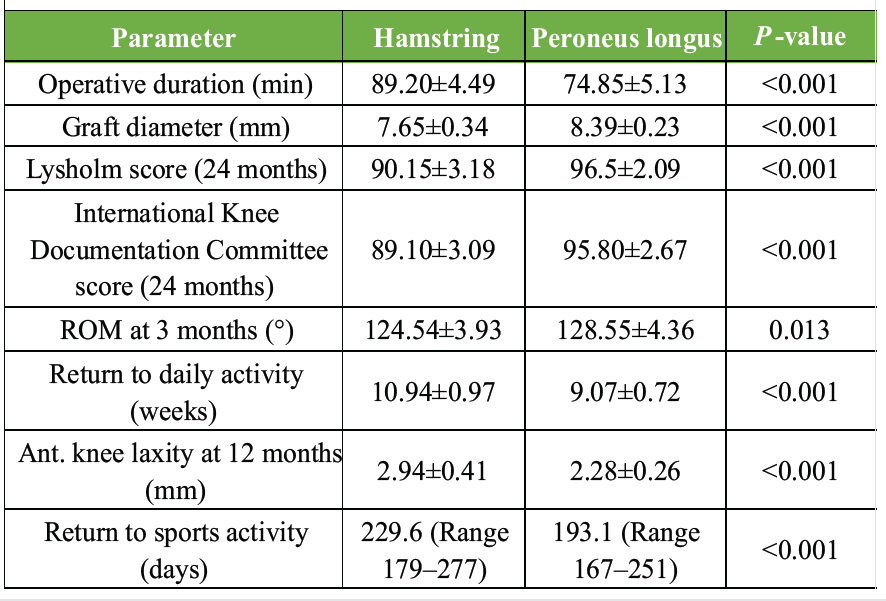
Table 2: Summary of key outcome parameters between graft groups
Functional outcomes
Both groups demonstrated significant improvement in Lysholm and IKDC scores from baseline through 24-month follow-up. However, the PLT group exhibited superior functional outcomes at all post-operative intervals. At 24 months, the mean Lysholm score was 96.5 ± 2.09 in PLT versus 90.15 ± 3.18 in HT (t = −3.882, P < 0.001). Similarly, IKDC score at 24 months was 95.80 ± 2.67 versus 89.10 ± 3.09 t = −3.784, P < 0.001; (Tables 2 and 3).
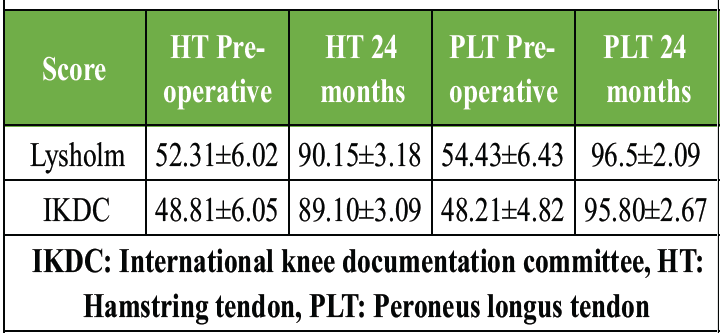
Table 3: Progressive functional scores (Lysholm and IKDC) at all assessment intervals
Knee stability and return to daily activity and sports activity
Anterior knee laxity at 12 months measured by arthrometer KT1000 was significantly lower in the PLT group (2.28 ± 0.26 mm) compared to the HT group (2.94 ± 0.41 mm; t = 5.200, P < 0.001), reflecting superior objective knee stability. A statistically significant moderate positive correlation was observed between anterior knee laxity and time to return to daily activities and sports activity (r = 0.552, P = 0.002), demonstrating that greater residual laxity was associated with delayed functional recovery.
Donor-site morbidity, complications, and overall outcome
Donor-site morbidity was present in 09/26 (34.6%) of the HT group versus 3/24 (12.5%) of the PLT group (χ2 = 3.35, P = 0.067; approaching significance). Post-operative infection occurred in two patients in the HT group and one patient in the PLT group. Two graft failures were recorded in the HT group. Overall functional outcome was excellent in 34 patients (68.0%), with 21 excellent outcomes in the PLT group versus 13 in the HT group χ2 = 5.808, P = 0.055; (Table 4).
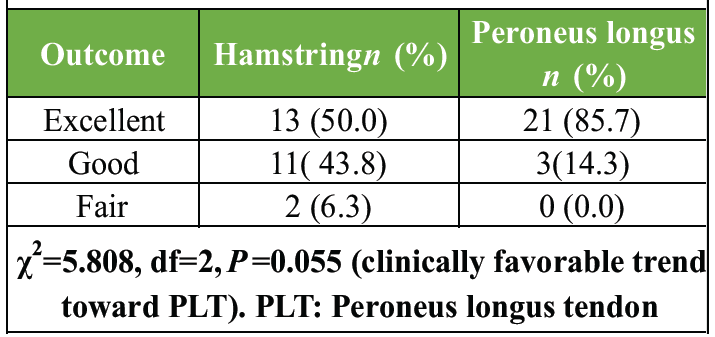
Table 4: Overall functional outcome by graft type
The mean pre-operative and post-operative American Orthopaedic Foot and Ankle Society (AOFAS) score of the peroneus longus donor ankle was comparable, with only a minimal reduction after surgery. Pre-operative and post-operative AOFAS scores indicate that harvesting PLT did not adversely affect ankle function (Table 5-8).
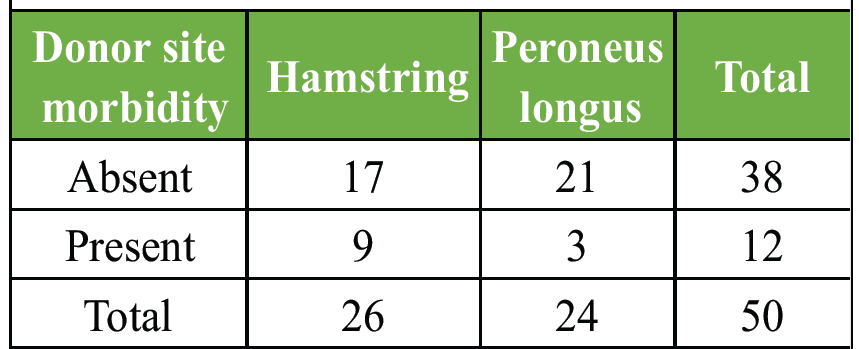
Table 5: Association between donor-site morbidity and graft type
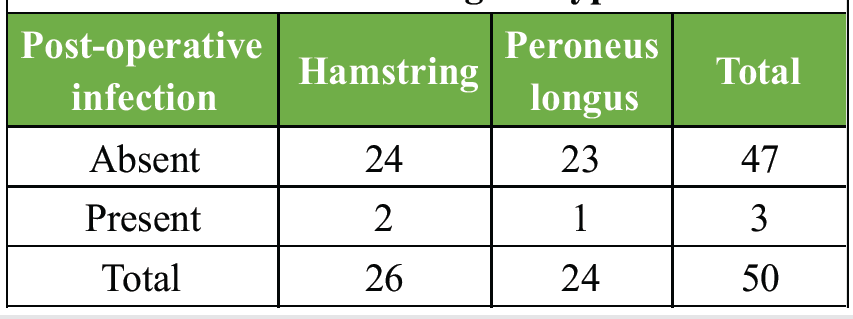
Table 6: Association between post-operative infection and graft type
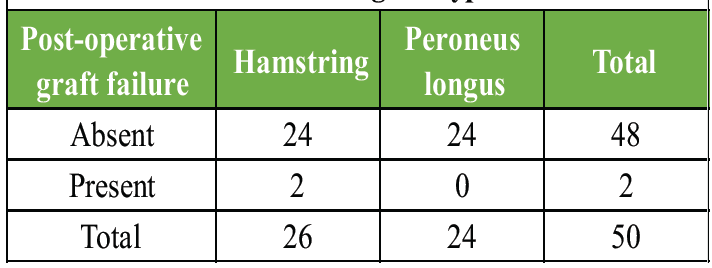
Table 7: Association between post-operative graft failure and graft type
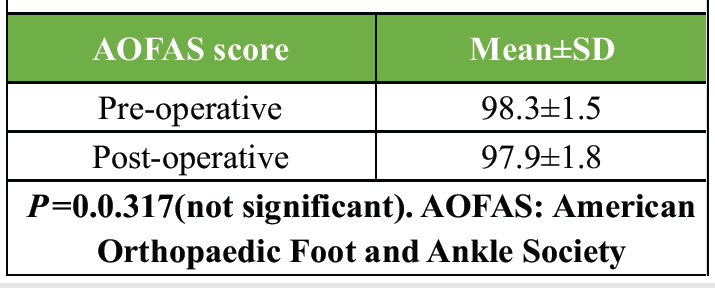
Table 8: Comparison of pre-operative and post-operative AOFAS scores in the peroneus longus donor ankle
This prospective comparative study demonstrated that the PLT autograft confers several significant advantages over the conventional HT autograft in single-bundle arthroscopic ACL reconstruction. The two groups were well-matched for baseline demographic and injury characteristics, strengthening the attribution of observed differences to graft type rather than confounding variables.
The most clinically impactful finding was the significantly larger graft diameter achieved in the PLT group (8.39 ± 0.23 mm) compared to the HT group (7.65 ± 0.34 mm). This is consistent with published literature: Jain et al. reported a mean PLT graft diameter of 8.8 ± 0.8 mm versus 8.1 ± 0.9 mm for HT [11]. Lubis et al. demonstrated that when the hamstring graft diameter was inadequate (6.5 mm), anterior half PLT augmentation increased it to 9.12 mm [12]. Given that grafts below 8 mm are associated with significantly higher revision rates – particularly in young athletes – the consistently larger PLT graft diameter has direct implications for graft longevity [13,14].
Operative duration was significantly shorter in the PLT group (74.85 vs. 89.20 min), consistent with findings by Singh et al. [15] and Dwidmuthe et al. [16]. This reflects the technical ease of PLT harvesting, which involves a single-incision approach over the posterolateral fibula without the need for extensive tendon stripping.
Functional outcomes at 24 months favored PLT, which was associated with better Lysholm (96.50 vs. 90.15) and IKDC (95.80 vs. 89.10) scores similar to the findings reported by Gunadham and Woratanarat [17]. This differs from several larger series by Hassan et al. [18] and Park et al. meta-analysis, [19] which found equivalent scores, but is concordant with Sakti et al., [20] who reported superior 6-month Lysholm scores in PLT patients. The better early range of motion (128.55° vs. 124.54° at 3 months) and earlier return to daily activities (9.07 vs. 10.94 weeks) and earlier return to sports activity (193.1 vs. 229.6. days) observed in PLT recipients may reflect hamstring function preservation, avoiding the flexion strength deficit inherent to HT harvesting [21].
Objective knee stability at 12 months, assessed by KT 1000 Arthrometer, was better in the PLT group with significantly lower anterior knee laxity (2.28 vs. 2.94 mm). This biomechanical advantage is supported by Rhatomy et al., who demonstrated lower displacement values (2.06 vs. 2.44 mm) and greater stiffness in PLT compared to HT [22].
Regarding donor-site morbidity, the trend toward lower morbidity in PLT patients (12.5% vs. 34.6%; P = 0.067) is clinically important. The absence of significant change in the AOFAS score suggests preservation of ankle function following PLT harvest. Multiple studies confirm negligible ankle dysfunction after PLT harvest, with AOFAS and FADI scores within normal limits, attributed to compensatory peroneus brevis activity [11,12,18,23]. Importantly, no ankle instability or eversion weakness was documented in the PLT group of this study, corroborating these findings.
Overall functional outcomes were excellent in 85.7% of PLT patients compared with 50% of HT patients which is comparable to the clinical outcomes reported by Gandhi et al. [24]. Although this difference did not reach statistical significance (χ2 = 5.808, P = 0.055), a favorable clinical trend was observed in the PLT group.
This study has several limitations. First, the relatively small sample size and single-center design may limit the generalizability of the findings. Second, although the 24-month follow-up demonstrated favorable clinical outcomes, longer follow-up is required to assess graft longevity, osteoarthritis progression, and revision rates. Third, graft incorporation and ligamentization were evaluated clinically, as routine MRI or second-look arthroscopy was not performed. Fourth, an objective isokinetic assessment of quadriceps and hamstring strength was not performed, although validated functional scores, KT-1000 measurements, and return-to-activity outcomes were assessed. Fifth, associated meniscal and chondral injuries were not analyzed separately and may have influenced post-operative outcomes. Sixth, although all patients followed a standardized rehabilitation protocol, individual compliance was not objectively monitored. Although operative time was shorter in the PLT group, no formal cost-effectiveness analysis was performed. Pre-injury activity level was not assessed using validated activity scales such as the Tegner Activity Scale. Finally, only HT and PLT autografts were compared, and future multicenter randomized studies with larger sample sizes are needed to validate these findings.
This prospective comparative study demonstrates that PLT autograft is a safe, reliable, and functionally advantageous alternative to HT autograft for single-bundle arthroscopic ACL reconstruction. PLT grafts offer significantly shorter operative time, larger and more predictable graft diameter, higher functional scores, better early range of motion, earlier return to daily activities, earlier return to sports activity and improved knee stability at 12 months. Donor-site morbidity was lower with PLT harvesting, with no compromise in ankle function. PLT autograft appears to be a reliable alternative as a primary graft option, particularly in patients where adequate graft diameter, preservation of knee-flexor strength, and rapid functional recovery are clinical priorities.
The PLT autograft was associated with larger graft diameter, shorter operative time, favorable functional outcomes, and better knee stability compared to the hamstring tendon autograft in ACL reconstruction, with minimal donor-site morbidity. PLT is a reliable alternative autograft with favorable functional outcomes, especially in patients with small hamstring tendons or those requiring preservation of knee flexor strength
References
- 1. Giuliani JR, Kilcoyne KG, Rue JP. Anterior cruciate ligament anatomy: A review of the anteromedial and posterolateral bundles. J Knee Surg 2009;22:148-54. [Google Scholar] [PubMed]
- 2. Kaeding CC, Léger-St-Jean B, Magnussen RA. Epidemiology and diagnosis of anterior cruciate ligament injuries. Clin Sports Med 2017;36:1-8. [Google Scholar] [PubMed]
- 3. Barfod KW, Rasmussen R, Blaabjerg B, Hölmich P, Lind M. Return to play after anterior cruciate ligament reconstruction. Ugeskr Laeger 2019;181:V11170846. [Google Scholar] [PubMed]
- 4. Boden BP, Dean GS, Feagin JA, Garrett WE Jr. Mechanisms of anterior cruciate ligament injury. Orthopedics 2000;23:573-8. [Google Scholar] [PubMed]
- 5. Yu B, Garrett WE. Mechanisms of non-contact ACL injuries. Br J Sports Med 2007;41 Suppl 1:i47-51. [Google Scholar] [PubMed]
- 6. Rhatomy S, Asikin AI, Wardani AE, Rukmoyo T, Lumban-Gaol I, Budhiparama NC. Peroneus longus autograft can be recommended as a superior graft to hamstring tendon in single-bundle ACL reconstruction. Knee Surg Sports Traumatol Arthrosc. 2019;27(11):3552-3559. PubMed [Google Scholar] [PubMed]
- 7. Zhao J, Huangfu X. The biomechanical and clinical application of using the anterior half of the peroneus longus tendon as an autograft source. Am J Sports Med. 2012;40(3):662-671. [Google Scholar] [PubMed]
- 8. Mistry JB, et al. Peroneus longus autograft as alternative in ACLR: Biomechanical and clinical insights. Knee 2019;26:440-7. [Google Scholar] [PubMed]
- 9. Naim S, et al. Peroneus longus tendon as autograft in ACL reconstruction: Anatomical and clinical rationale. Knee 2018;25:253-60. [Google Scholar] [PubMed]
- 10. Corrêa VN, Freire PG, Paolucci PH, Marques De Oliveira V, Mestriner MB, Guglielmetti LG, et al. Combined anterior cruciate ligament and posterolateral corner reconstruction: Modified technique using a single femoral tunnel using hamstrings and peroneus longus tendon. Arthrosc Tech 2025;14:103557. [Google Scholar] [PubMed]
- 11. Jain P, et al. Comparative study of single bundle ACL reconstruction using peroneus longus versus hamstring tendon autograft. Int J Med Biomed Stud 2021;5(9). doi:10.32553/ijmbs.v5i9.2188. [Google Scholar] [PubMed] [CrossRef]
- 12. Lubis A, Aprilya D, Tania K. Combined hamstrings and peroneus longus tendon for undersized graft in ACL reconstruction. Int J Surg Case Rep 2020;76:81-4. [Google Scholar] [PubMed]
- 13. Wiggins AJ, Grandhi RK, Schneider DK, Stanfield D, Webster KE, Myer GD. Risk of secondary injury in younger athletes after anterior cruciate ligament reconstruction: A systematic review and meta-analysis. Am J Sports Med 2016;44:1861-76. [Google Scholar] [PubMed]
- 14. Conte EJ, Hyatt AE, Gatt CJ Jr., Dhawan A. Influence of graft size on ACL reconstruction outcomes. Arthroscopy 2014;30:900-5. [Google Scholar] [PubMed]
- 15. Singh A, Krishnan R, Singh J. Comparative study of autologous peroneus longus versus hamstring tendon for ACL reconstruction. Int J Innov Res Med Sci 2022;7:1532. [Google Scholar] [PubMed]
- 16. Dwidmuthe S, Roy M, Bhikshavarthi Math SA, Sah S, Bhavani P, Sadar A. Functional outcome of single-bundle arthroscopic anterior cruciate ligament reconstruction using peroneus longus graft and hamstring graft: An open-label, randomized, comparative study. Cureus 2024;16:e60239. [Google Scholar] [PubMed]
- 17. Gunadham U, Woratanarat P. Anterior half peroneus longus tendon vs hamstring tendon for ACL reconstruction: Minimum 3-year follow-up. J Orthop Trauma Rehabil 2022;29:(1). doi:10.1177/22104917221085722. [Google Scholar] [PubMed] [CrossRef]
- 18. Hassan M, Khan A, Sadiq B. ACL functional outcomes: Peroneus longus graft as an option to the hamstring tendon graft. Pak J Med Health Sci 2023;17:305. [Google Scholar] [PubMed]
- 19. Park JY, Fernandes A, Park SY, Lim H, Sayudo IF, Leibovitch L, et al. Comparative effectiveness of peroneus longus tendon (PLT) autografts versus hamstring tendon (HT) autografts in anterior cruciate ligament reconstruction: A comprehensive systematic review and meta analysis. Eur J Orthop Surg Traumatol 2024;34:2691-9. [Google Scholar] [PubMed]
- 20. Sakti M, Arifin J, Wonggokusuma G, Arden F, Faidzin M. A comparison of functional knee outcomes post-arthroscopic anterior cruciate ligament (ACL) reconstruction using hamstring and peroneus longus (PL) autograft. Bali Med J 2022;11:591-5. [Google Scholar] [PubMed]
- 21. Konrath JM, et al. Hamstring strength deficits following tendon harvest. Am J Sports Med 2016;44:3305-13. [Google Scholar] [PubMed]
- 22. Rhatomy S, et al. Comparing the stiffness of peroneus longus tendon versus hamstrings in ACL reconstruction: A biomechanical study. Asian J Sports Med 2021;11:e110160. [Google Scholar] [PubMed]
- 23. De Oliveira DE, Horita MM, De Oliveira E Silva M, Salas VE, Jorge PB. Anterior half of the peroneus longus tendon combined with semitendinosus and gracilis tendons for anterior cruciate ligament reconstruction: An athlete case report. Case Rep Orthop 2021;2021:9978383. [Google Scholar] [PubMed]
- 24. Gandhi MP, Patel NK, Shah KK, Shah RM, Shah MD. A study on clinical and functional outcomes of arthroscopic anterior cruciate ligament reconstruction using hamstring versus peroneus graft. J Orthop Case Rep 2024;14:208-15. [Google Scholar] [PubMed]





Related Articles in Journal of Orthopaedic Case Reports
 July 1, 2026 Clinical and Donor-site Outcomes of Full-thickness Peroneus Longus Autograft in Arthroscopic Anterior Cruciate Ligament Reconstruction: A Prospective Indian Cohort Study
 May 1, 2026 Comparative Evaluation of Peroneus Longus Tendon and Hamstring Tendon Autografts in Primary Anterior Cruciate Ligament Reconstruction: A Randomized Controlled Trial
 October 1, 2026 Outcomes of Blood Flow Restriction Therapy as an Adjunct to Standard Rehabilitation Following Anterior Cruciate Ligament Reconstruction: A Prospective Observational Cohort Study
 September 1, 2026 From Ankle to Knee: Donor-Site Morbidity after Peroneus Longus Tendon Graft for ACL Reconstruction Assessed by the Kitaoka Ankle-Hindfoot Score – A Prospective Cohort Study